Acts 9 opens with a man “breathing out murderous threats” and closes with a woman sitting up on her deathbed. In between, the chief persecutor of the first Christians is stopped on a road, led blind into the city he came to raid, and greeted there with two words, “Brother Saul,” by one of the people he came to arrest. He starts preaching, escapes over the wall in a basket, and gets into the Jerusalem church only because one man vouches for him. Then the story swings to Peter, a paralyzed man, and a disciple named Tabitha.
Here it is in plain language, with twenty-three paintings and the verses worth remembering set apart so they stay with you.
What Is Acts 9 About?
Acts 9 tells the conversion of Saul, the persecutor who became the apostle Paul, followed by two miracles of Peter. Saul sets out for Damascus to arrest the followers of Jesus. On the road a light from heaven stops him, and a voice asks, “Saul, Saul, why do you persecute Me?” He is led into the city blind, where a disciple named Ananias is sent to restore his sight, and Saul is baptized. He begins preaching at once, escapes a plot by being lowered over the wall in a basket, and is accepted in Jerusalem when Barnabas vouches for him. Then the chapter turns to Peter, who heals a paralyzed man named Aeneas and raises a disciple named Tabitha from the dead.
Tap any part to jump to it, with the paintings and the verses.
The Hunter (Acts 9:1–2)
The chapter’s first word is “Meanwhile,” because Saul is already in the story. He was there when Stephen was stoned: the witnesses “laid their garments at the feet of a young man named Saul” (Acts 7:58). Since then, “Going from house to house, he dragged off men and women and put them in prison” (Acts 8:3). That part is told in Saint Stephen’s life in art.
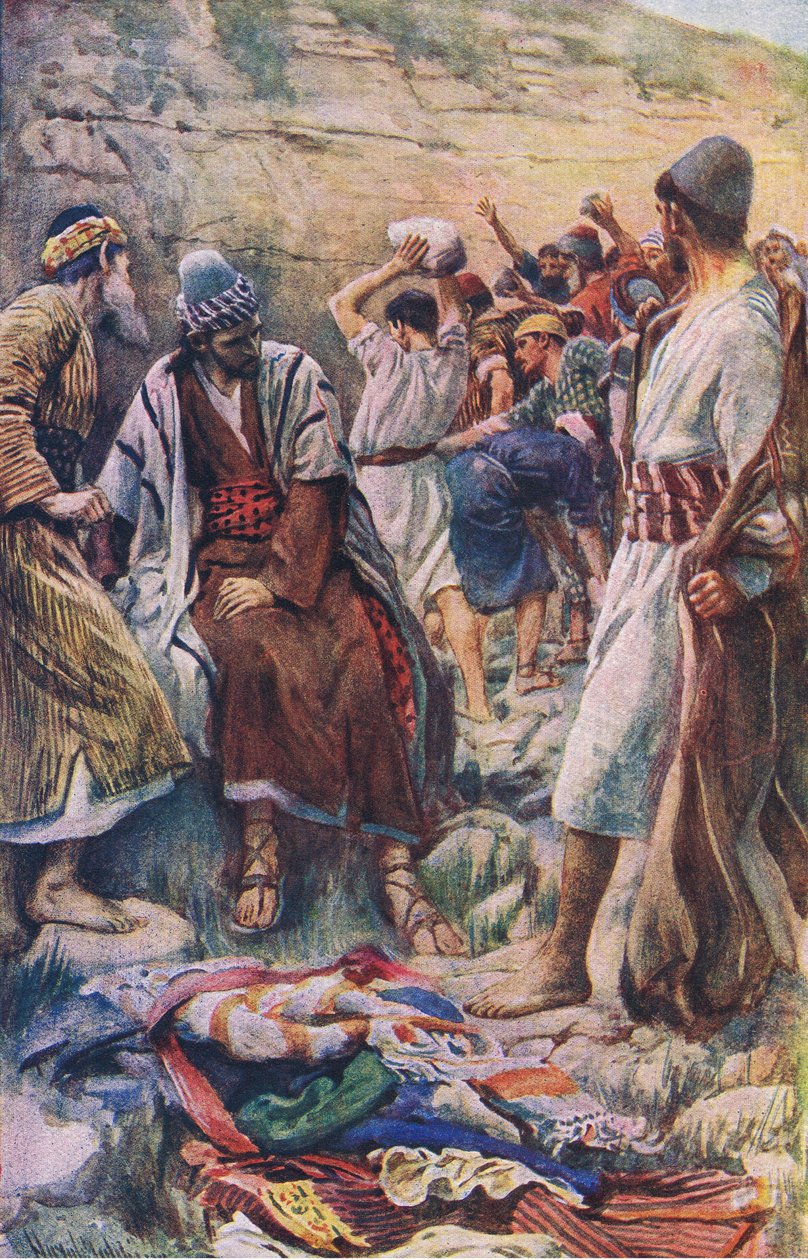
Now Jerusalem is not enough. Saul, “still breathing out murderous threats against the disciples of the Lord” (9:1), asks the high priest for letters to the synagogues in Damascus, so that anyone he finds there “belonging to the Way” can be brought back as a prisoner (9:2). Damascus is about 150 miles north, a week or so on the road. He is going a long way to do this.
“The Way” is the oldest name we have for the movement; the word “Christian” is not coined until two chapters later, in Antioch (Acts 11:26). A way is something you walk, and this chapter is about to put its main character on a road.
The Road (Acts 9:3–9)
Saul has nearly arrived when “suddenly a light from heaven flashed around him” (9:3). He falls to the ground and hears his own name, twice.
“Saul, Saul, why do you persecute Me?”
Acts 9:4 · BSB, excerpt
When God says a name twice in the Bible, a life is about to change direction: “Abraham, Abraham!” (Genesis 22:11), “Moses, Moses!” (Exodus 3:4), “Samuel! Samuel!” (1 Samuel 3:10).
Why does Jesus say “persecute Me”?
Because he takes it personally. Saul has never laid a hand on Jesus; as far as he is concerned, Jesus is dead. The people he has been dragging to prison are ordinary men and women. But the voice does not ask why he is persecuting them.
“Who are You, Lord?” Saul asked. “I am Jesus, whom you are persecuting,” He replied.
Acts 9:5 · BSB
Whatever is done to them is done to him. It is hard not to hear this moment behind a line Paul wrote years later: “Now you are the body of Christ, and each of you is a member of it” (1 Corinthians 12:27).
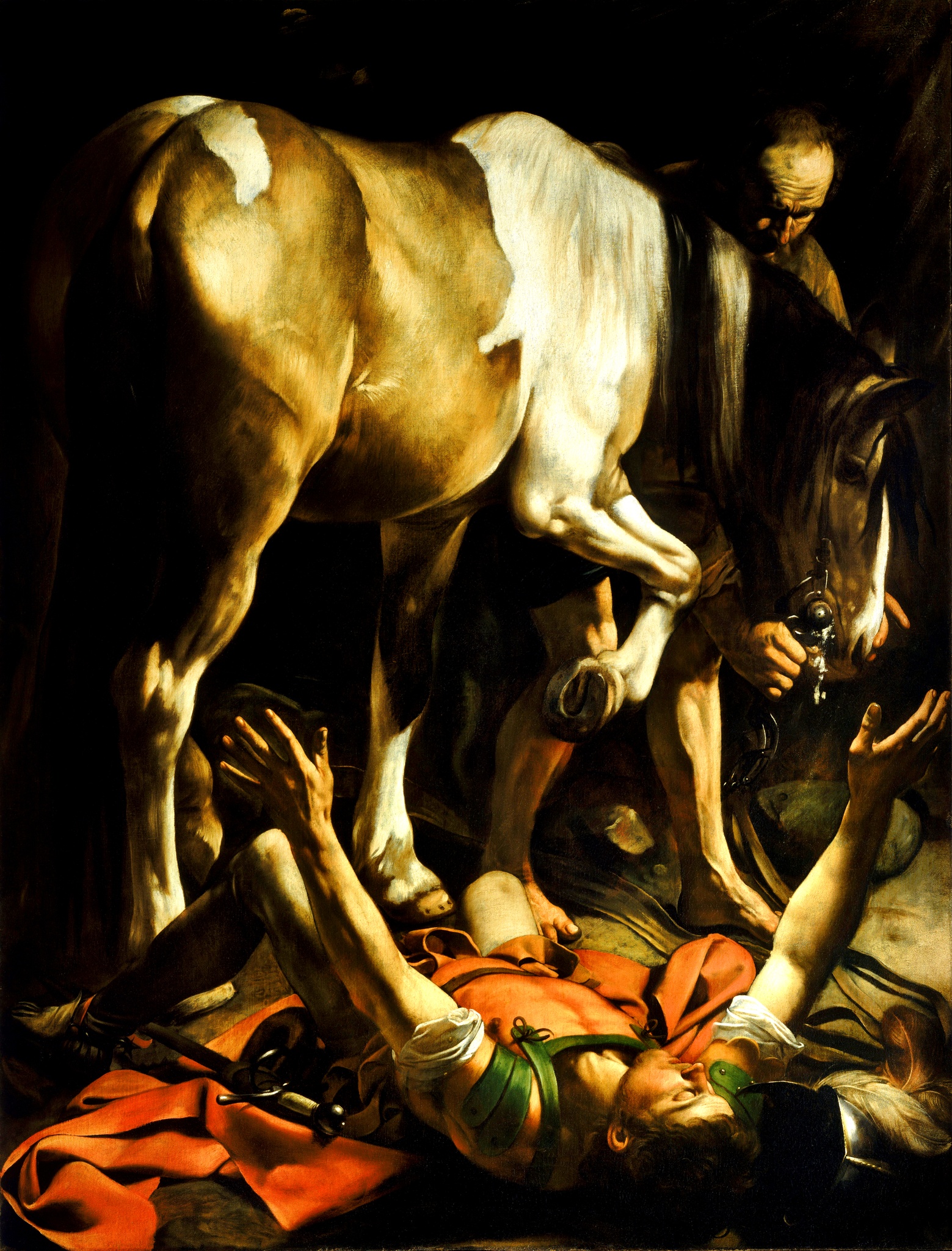
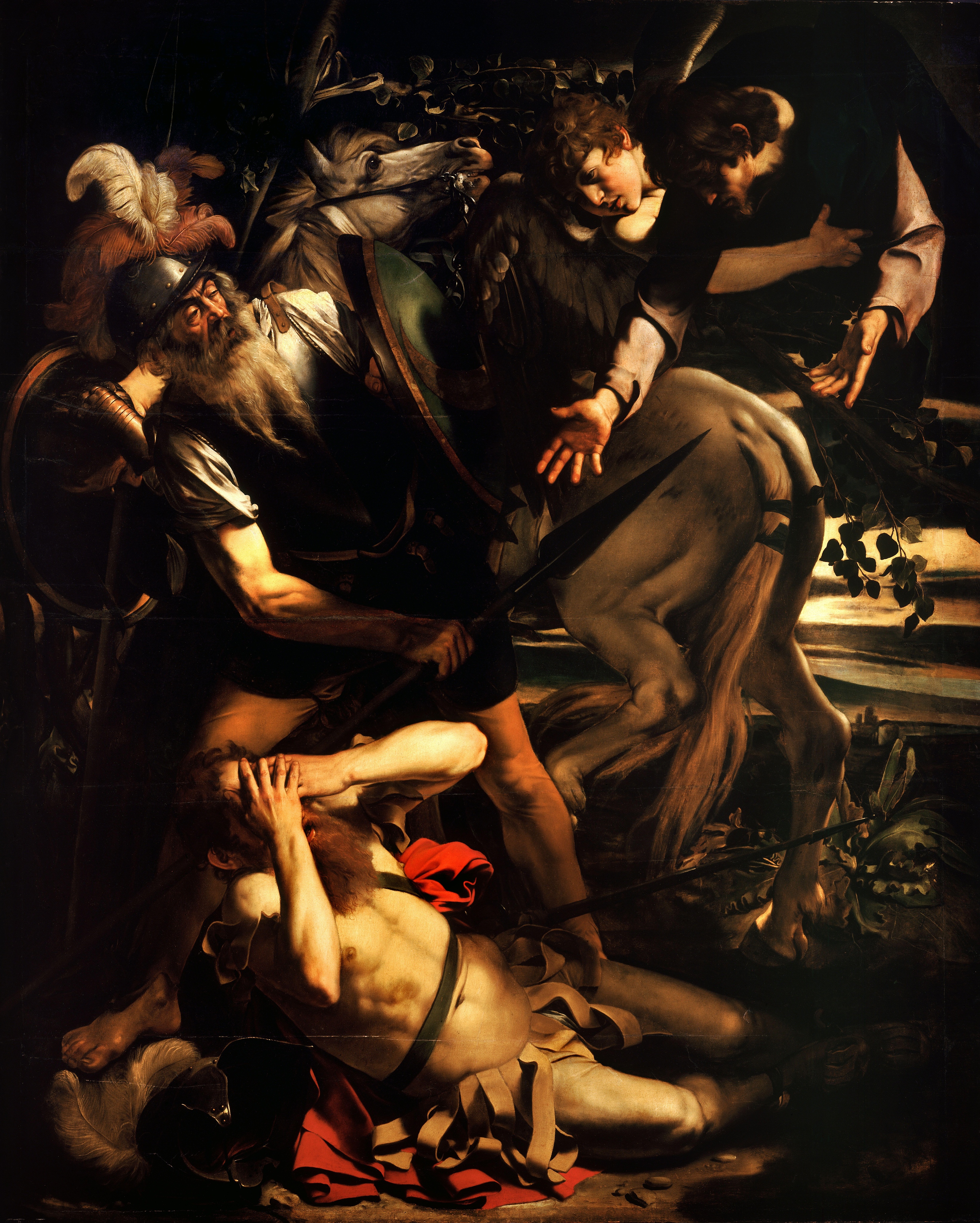
Why did Caravaggio paint this scene twice?
Because the first attempt never reached the chapel wall. In September 1600 a papal treasurer, Tiberio Cerasi, hired Caravaggio to paint Paul’s conversion for his burial chapel in Rome. The panel just above is the first version. An early biographer says it was rejected; modern scholars are less sure, since Cerasi died before the chapel was finished. Either way, Caravaggio painted it again, and that second version, at the top of this section, still hangs in the church of Santa Maria del Popolo.
In the first, Jesus himself leans in at the top right, an angel at his side, while Saul covers his eyes and an old soldier raises shield and spear. In the second, Jesus and the angel are gone: a man on his back with his arms open, a horse, a groom, and light. The second is closer to what Luke wrote. Nobody else on the road sees anyone.
The voice does not explain itself. It gives Saul one thing to do.
“Now get up and go into the city, and you will be told what you must do.”
Acts 9:6 · BSB
Hold on to those two words, get up. They are about to become the heartbeat of the chapter.
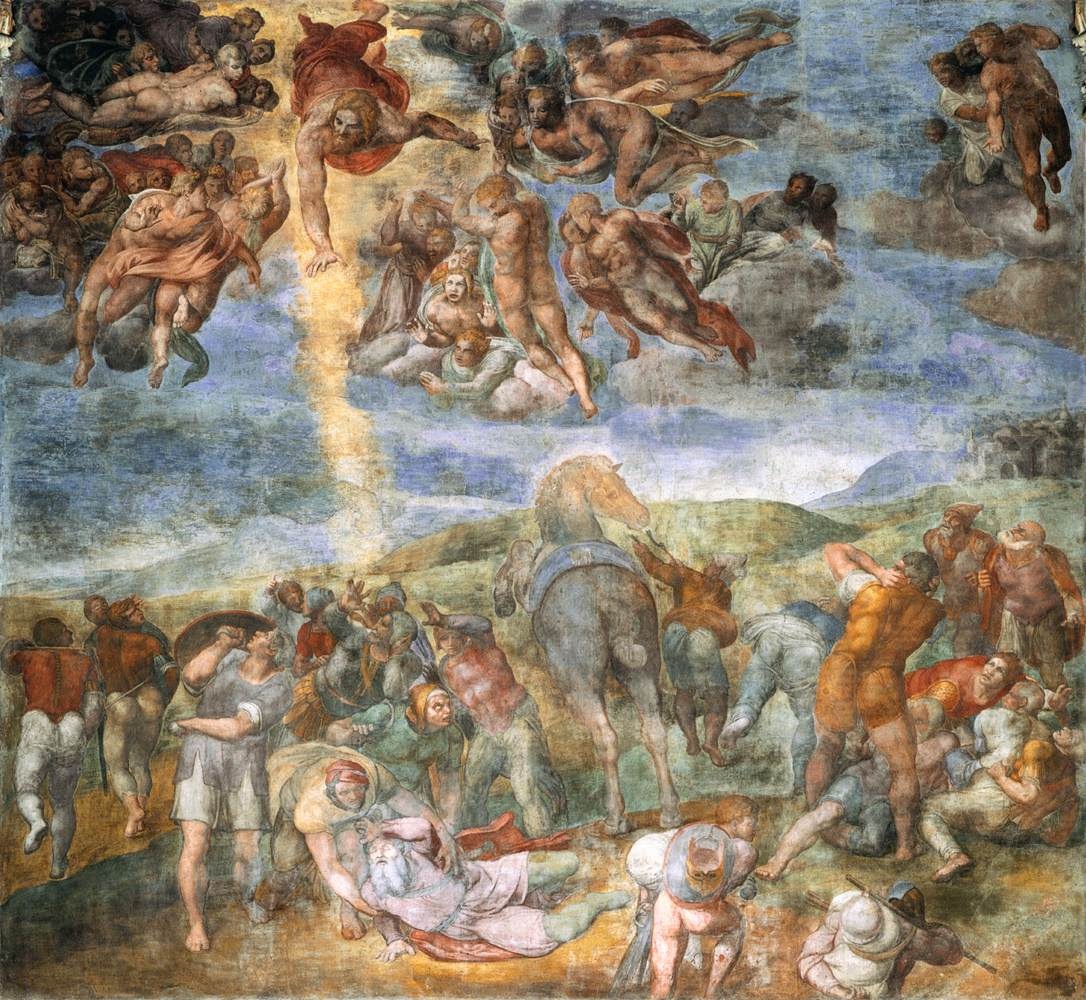
Michelangelo painted this for the private chapel of Pope Paul III. Acts calls Saul “a young man” (7:58). Michelangelo, close to seventy, gave him a long white beard, and art historians have long wondered whether the old painter saw himself in the old man on the ground.
Saul was not traveling alone.
The men traveling with Saul stood there speechless. They heard the voice but did not see anyone.
Acts 9:7 · BSB
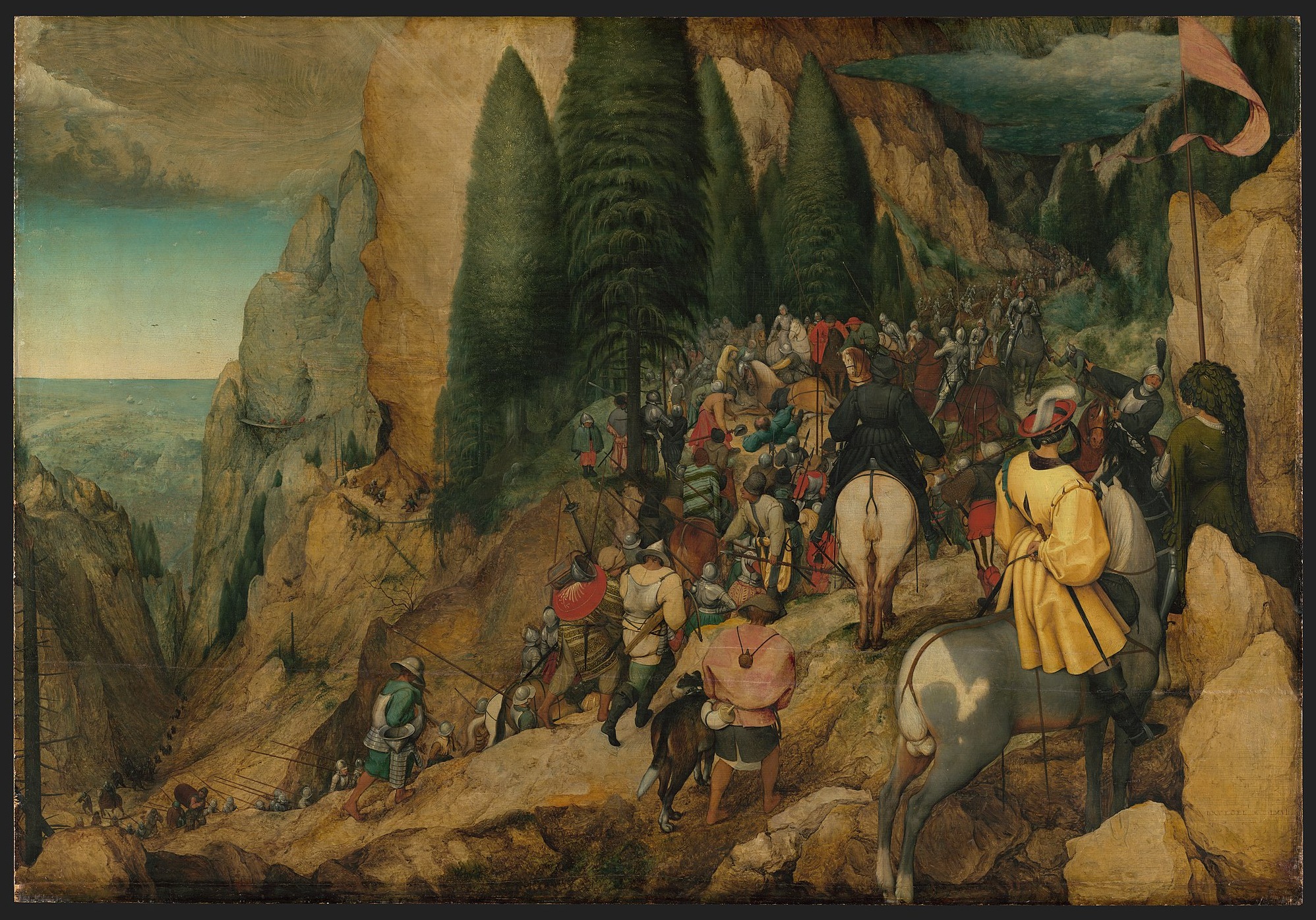
Where is Saul in Bruegel’s painting?
Near the center, in the middle distance, flat on his back in blue beside his fallen horse. It takes most people a while to find him. Bruegel painted the scene in 1567 as an army crossing a mountain pass and let the big riders in the foreground steal the eye. That may be his point: the event that will change the history of the church is, on the day, one small figure on the ground in a very large crowd.
Saul does as he is told, and discovers what the light has cost him.
Saul got up from the ground, but when he opened his eyes he could not see a thing. So they led him by the hand into Damascus.
Acts 9:8 · BSB
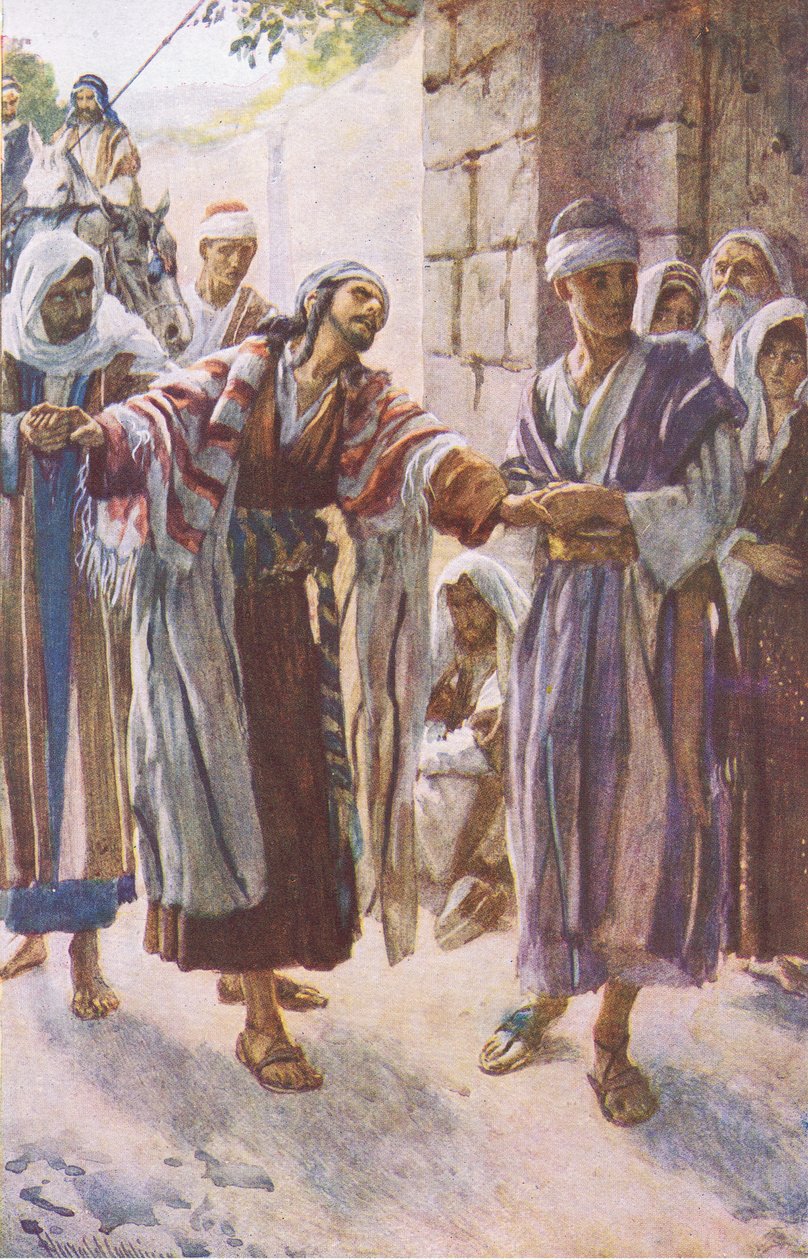
He had planned to lead prisoners out of this city. He goes in led by the hand. “For three days he was without sight, and he did not eat or drink anything” (9:9).
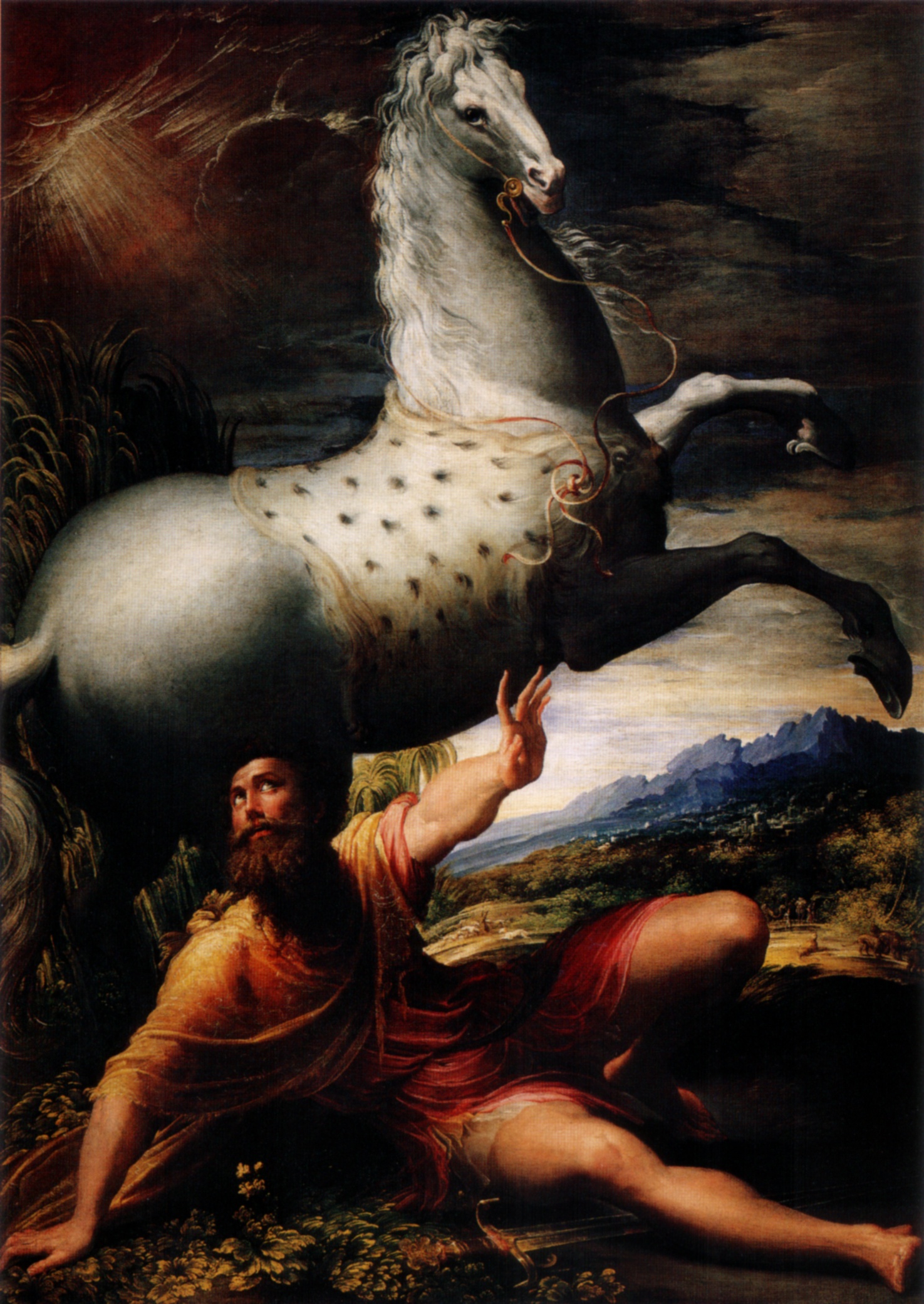
Did Paul fall off a horse?
Not according to the Bible. Scroll back through this section and count the horses; then notice that Acts tells this story three times (chapters 9, 22, and 26) and there is no horse in any of them. Saul simply “fell to the ground” (9:4), and afterward he is led “by the hand” (9:8), which sounds like a man on foot.
The horse is the painters’ contribution. It lets them show a fall, and it borrows an old image: medieval sculptors pictured the sin of Pride as a rider pitched off a stumbling horse, and one is still carved on the south porch of Chartres Cathedral. Parmigianino gave the horse the best part of the canvas.
Straight Street (Acts 9:10–19)
The scene cuts to the people Saul came to arrest. “In Damascus there was a disciple named Ananias,” and when the Lord calls his name in a vision he answers as Abraham, Moses, and Samuel once did: “Here I am, Lord” (9:10). Then he hears where he is being sent.
“Get up!” the Lord told him. “Go to the house of Judas on Straight Street and ask for a man from Tarsus named Saul, for he is praying.”
Acts 9:11 · BSB, excerpt
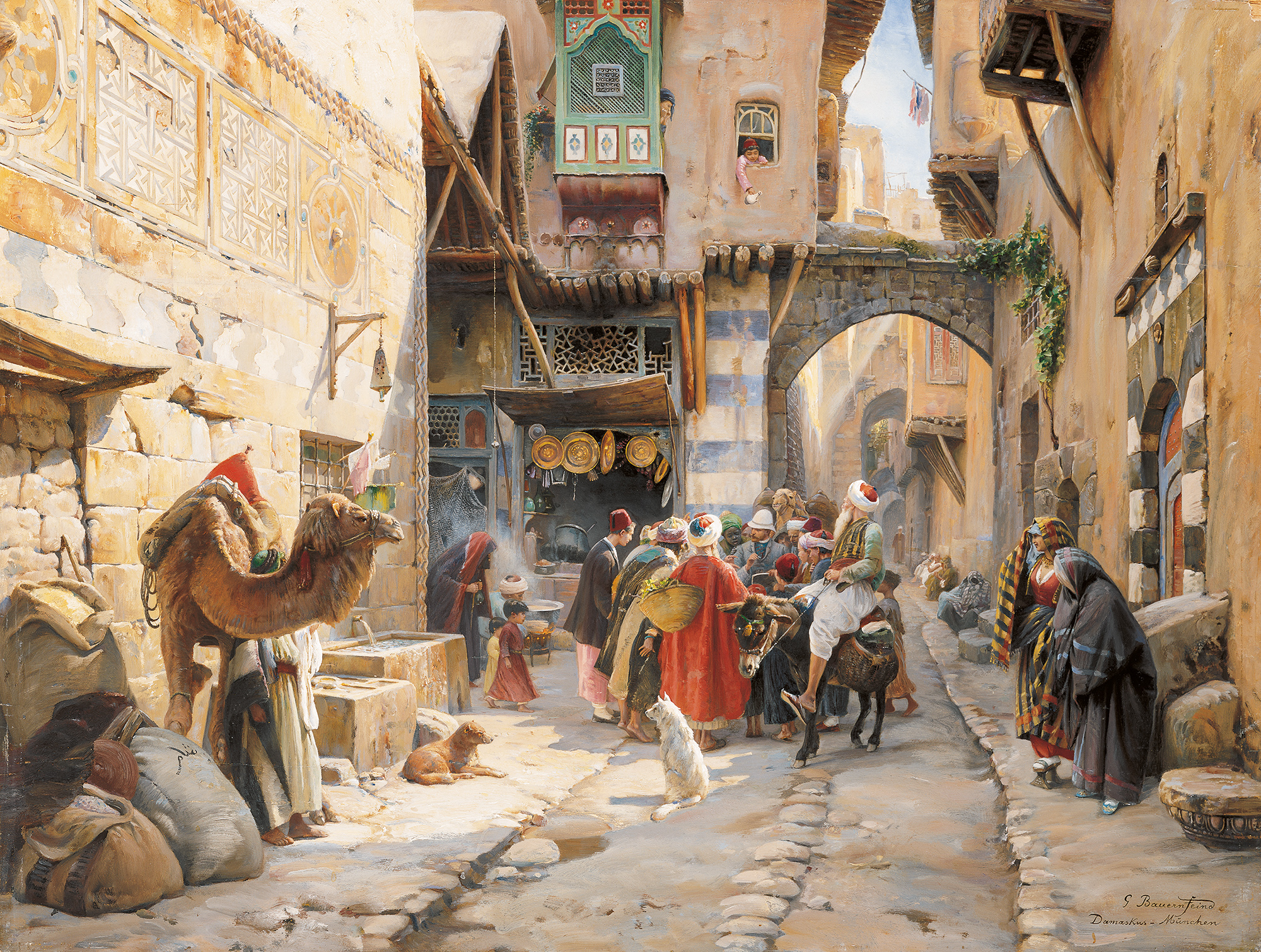
Does Straight Street still exist?
Yes. It is the old Roman main street of Damascus, and it still runs east to west through the Old City for almost a mile, part of it as a covered market. Mark Twain rode down it on a donkey in 1867 and was not impressed: “The street called Straight is straighter than a corkscrew, but not as straight as a rainbow.” Luke, he noticed, only says the street is called Straight: “It is a fine piece of irony; it is the only facetious remark in the Bible, I believe.”
Gustav Bauernfeind’s Damascus street is not Straight Street by name, and it is eighteen centuries too late. It still gives the errand a setting: a real street, down which a reluctant man has to walk and knock on a door.
Reluctant, because Ananias knows the name. “Lord,” he says, “many people have told me about this man and all the harm he has done to Your saints in Jerusalem” (9:13). It is the politest possible way of asking, are you sure? The answer is one word, and then a job description.
“Go!” said the Lord. “This man is My chosen instrument to carry My name before the Gentiles and their kings, and before the people of Israel.”
Acts 9:15 · BSB, excerpt
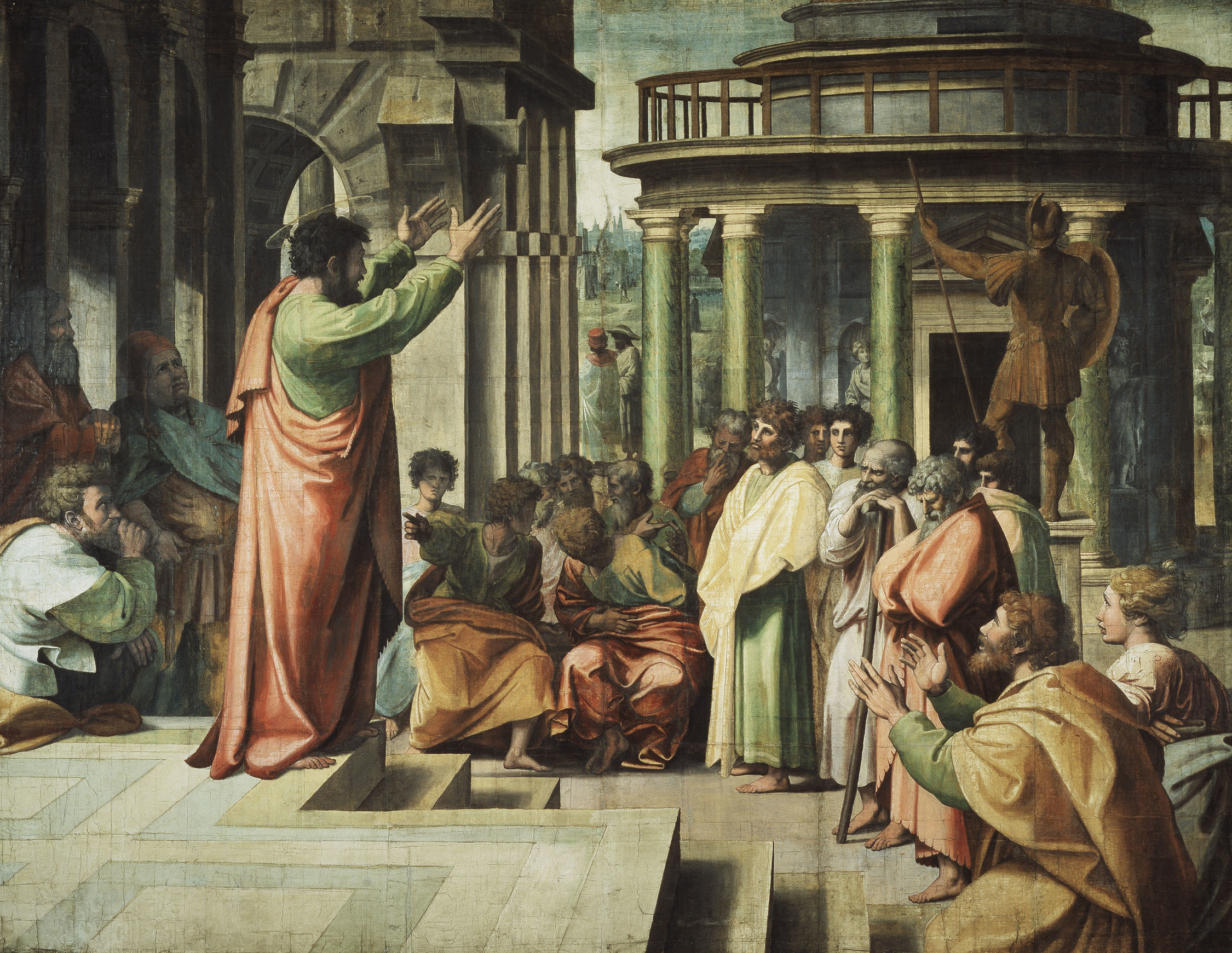
All three audiences turn up later in Acts. Paul argues with the philosophers of Athens (Acts 17), the scene Raphael drew as a tapestry design for the Sistine Chapel; he stands before King Agrippa (Acts 26); and in city after city he starts in the synagogue. The second half of the sentence is harder.
“I will show him how much he must suffer for My name.”
Acts 9:16 · BSB, excerpt
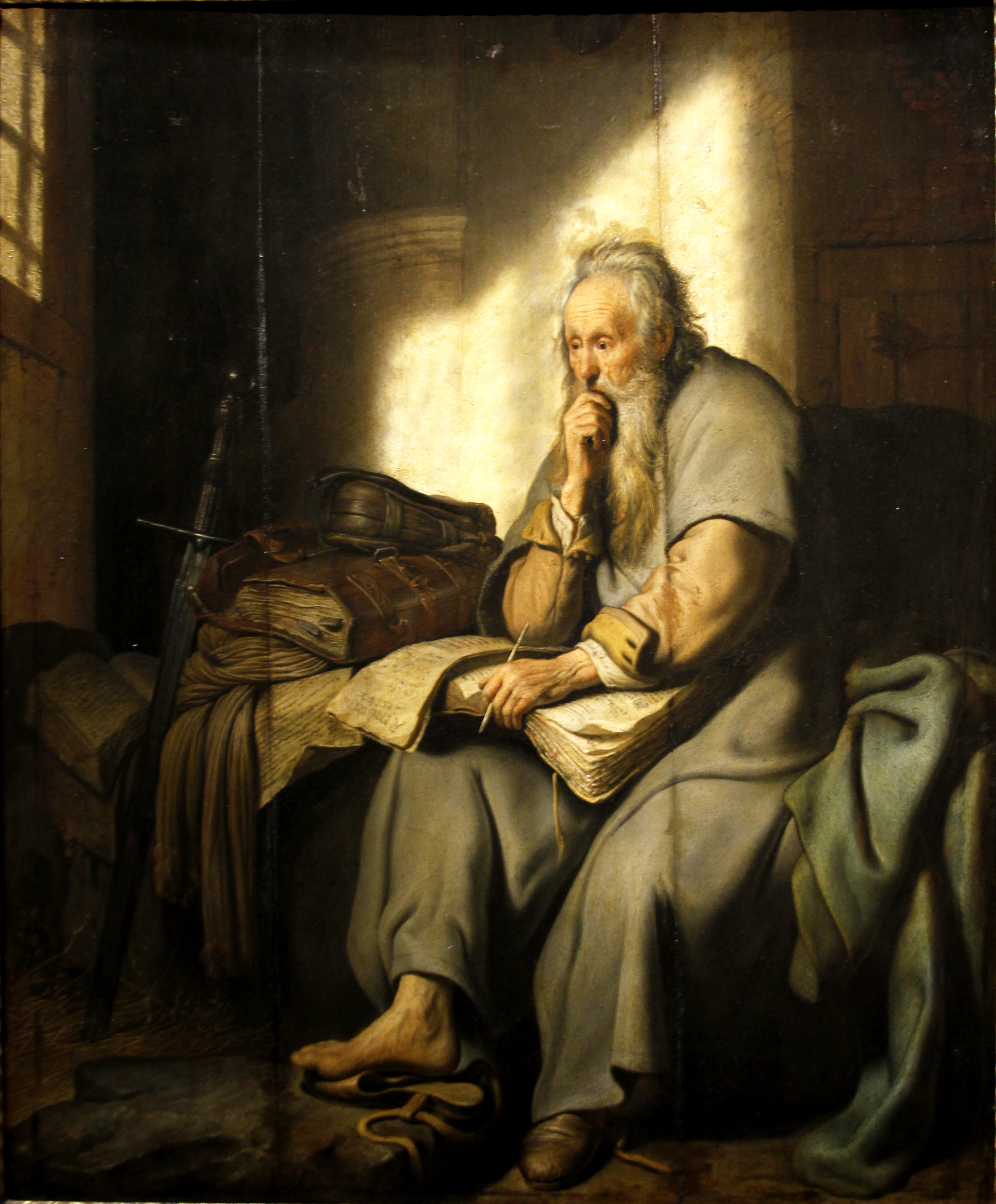
The man who came to make others suffer for that name will spend the rest of his life doing it himself: imprisoned, flogged, beaten with rods, and shipwrecked, by his own count (2 Corinthians 11:23–25).
So Ananias goes. Luke does not describe the walk. He records the first thing Ananias says, with his hands already on the man he had been warned about.
“Brother Saul,” he said, “the Lord Jesus, who appeared to you on the road as you were coming here, has sent me so that you may see again and be filled with the Holy Spirit.”
Acts 9:17 · BSB, excerpt
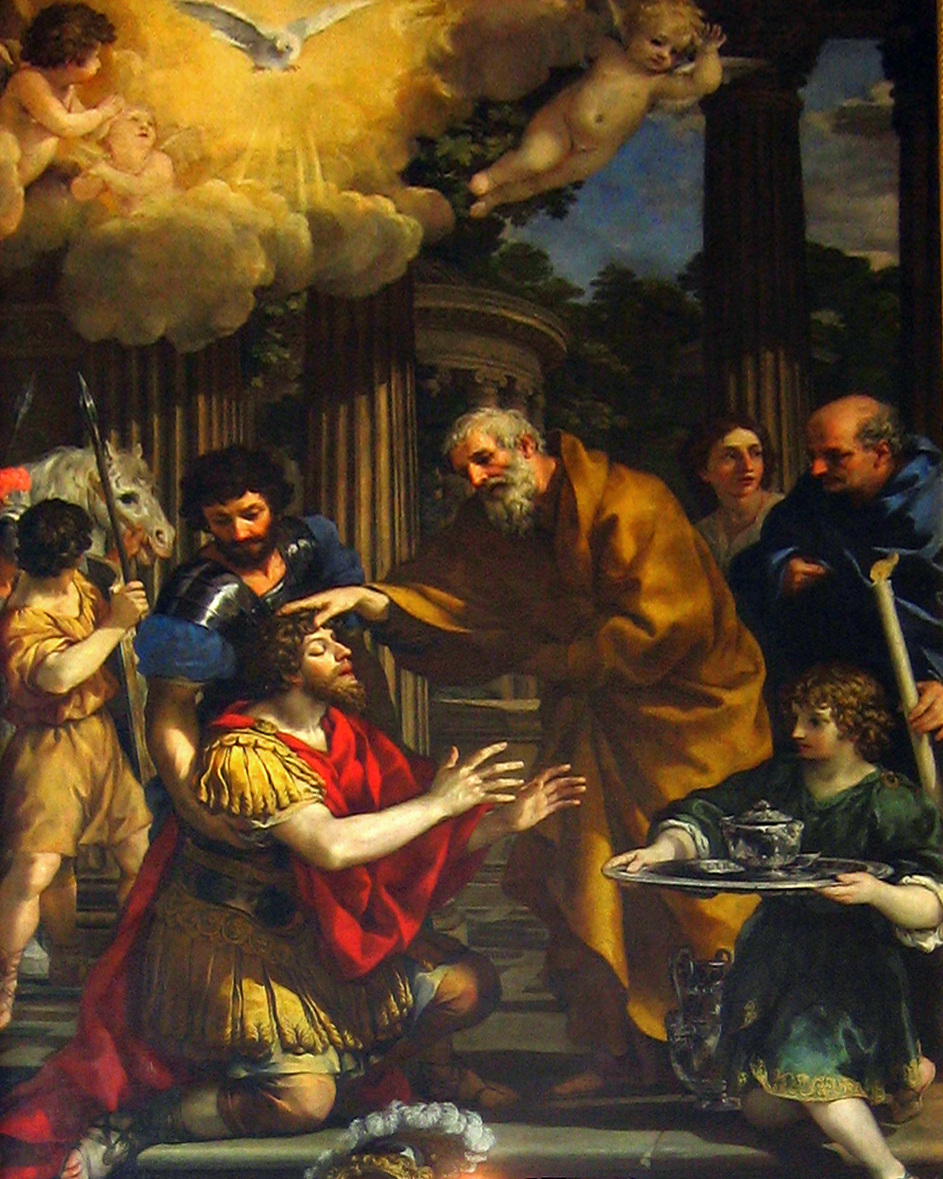
Brother. It is the first word a Christian says to him in the book of Acts, and Ananias had every reason to choose a different one. Paul remembered him as “a devout observer of the law who was highly regarded by all the Jews living there” (Acts 22:12). He does one brave thing and steps out of the story.
What happens next gave the English language a phrase.
At that instant, something like scales fell from Saul’s eyes, and his sight was restored.
Acts 9:18 · BSB, excerpt
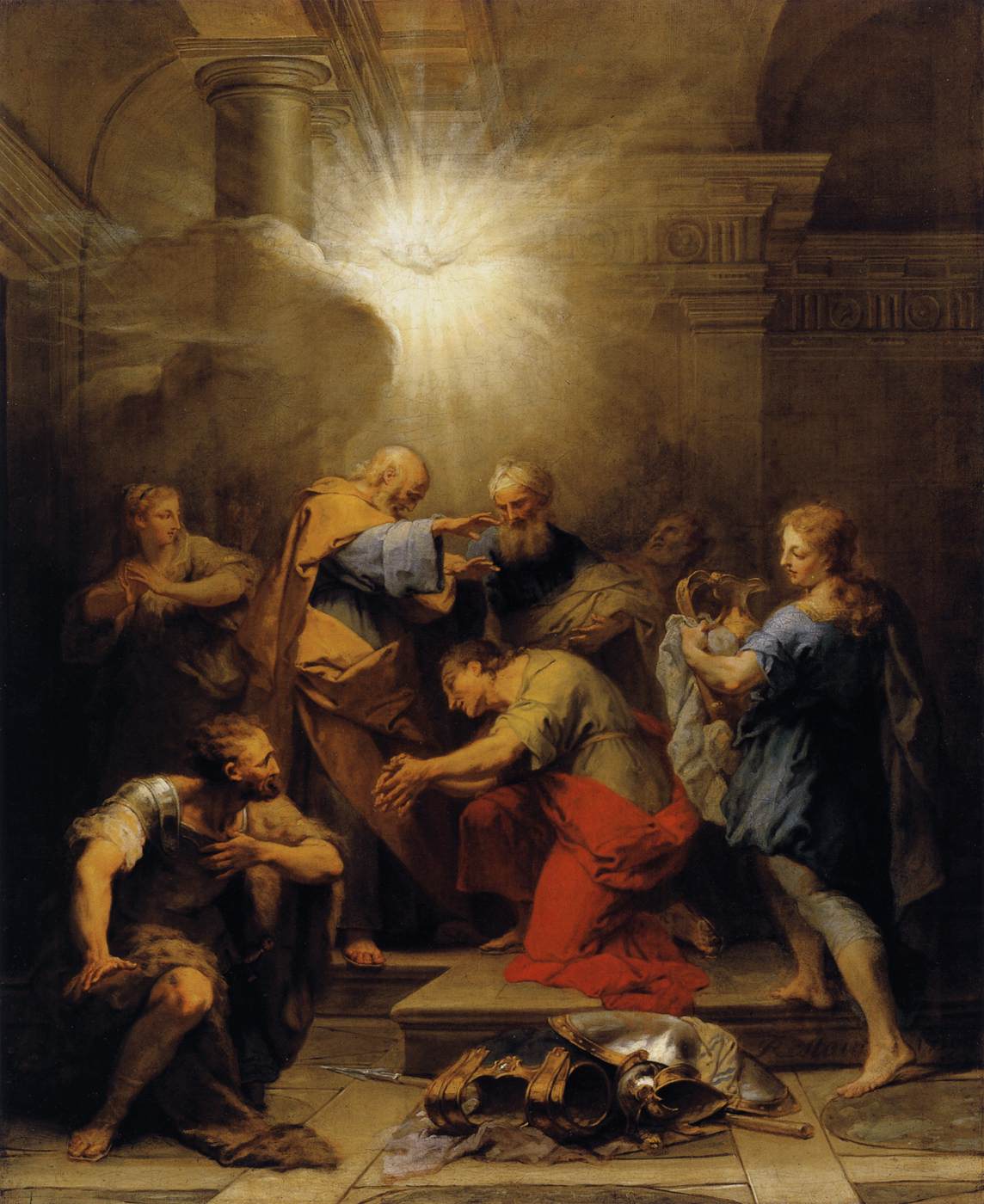
Is this where “the scales fell from my eyes” comes from?
Yes. The idiom for suddenly seeing the truth comes straight from this verse. Notice how careful Luke is, though. He does not say scales; he says “something like scales” (9:18), just as at Pentecost the sound was “like” wind and the flames “like” fire (Acts 2 in Art). Paul calls Luke “the beloved physician” (Colossians 4:14), and he reports this the way a doctor might: what it looked like, and no more.
“He got up and was baptized, and after taking some food, he regained his strength” (9:18–19). Paul remembered Ananias being brisker than that: “And now what are you waiting for? Get up, be baptized, and wash your sins away, calling on His name” (Acts 22:16).
The Basket (Acts 9:20–31)
Saul wastes no time. His letters were addressed to the synagogues of Damascus, and to the synagogues he goes, with a different message.
Saul promptly began to proclaim Jesus in the synagogues, declaring, “He is the Son of God.”
Acts 9:20 · BSB
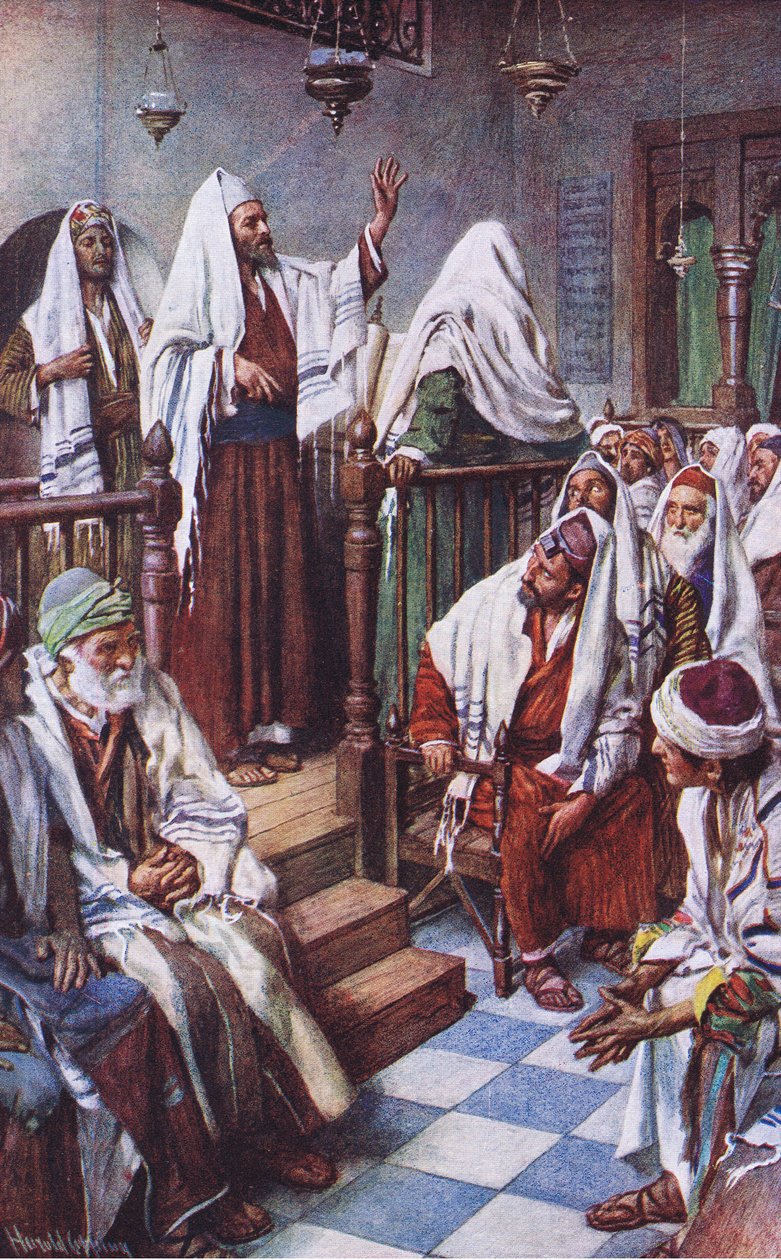
His first recorded sermon is one short sentence, and in most modern translations it is the only place in the whole book of Acts where Jesus is called “the Son of God.” (Harold Copping’s picture shows a later synagogue sermon, at Antioch in Acts 13. Damascus is where the habit began.) The congregation can hardly believe it: “Isn’t this the man who wreaked havoc in Jerusalem on those who call on this name?” (9:21).
Did God change Saul’s name to Paul?
No, though it is one of the most repeated “facts” about him. Nobody renames him in this chapter. The voice from heaven calls him Saul, Ananias calls him Saul, and Luke goes on calling him Saul until Acts 13:9, where the switch comes in passing: “Then Saul, who was also called Paul,” and the sentence moves on. Also called. He had both names all along. Saul was his Hebrew name, shared with Israel’s first king, a fellow Benjamite (Philippians 3:5). Paul, or Paulus, was his Roman one; he was a Roman citizen from birth (Acts 22:28). Luke switches names just as Paul’s work turns toward the Roman world, in front of a governor who happens to be called Sergius Paulus (Acts 13:7).
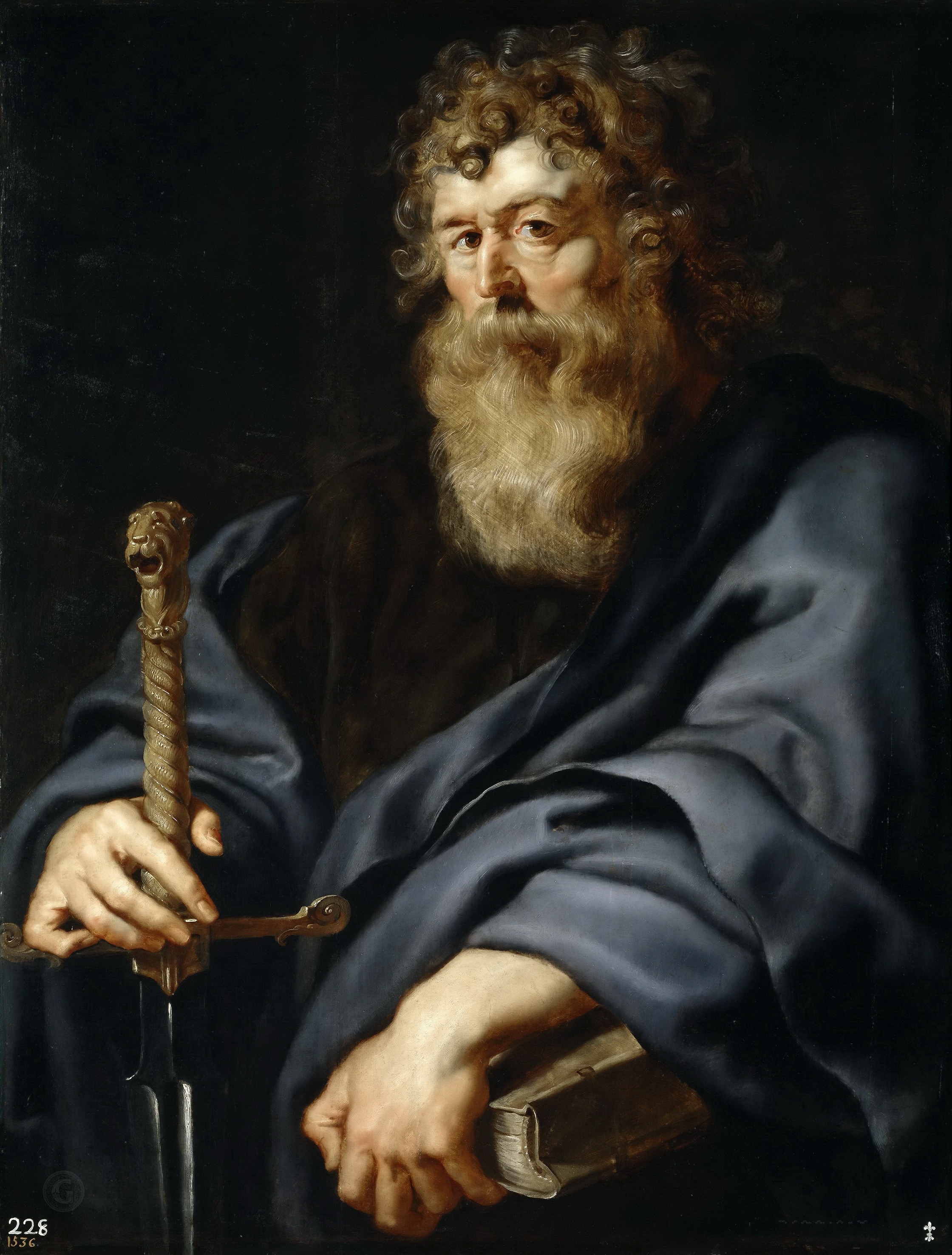
(The sword painters give him is not a souvenir of his violent years. Tradition says Paul was beheaded, and the sword became his sign.)
Back in Damascus, the mood turns. “After many days had passed,” there is a plot to kill him (9:23), and it is thorough: “Day and night they watched the city gates in order to kill him” (9:24).
A word about verses 22 and 23, where Luke says “the Jews” opposed Saul. Saul is Jewish. So are Ananias, Barnabas, Peter, Tabitha, and, as far as Luke tells us, every disciple in this chapter. Luke means Saul’s opponents in the Damascus synagogues, who are now doing to Saul what Saul came to do to others. Lines like these were later turned against Jewish people as a whole, and they give no ground for it.
His disciples find another way out.
One night, however, his disciples took him and lowered him in a basket through a window in the wall.
Acts 9:25 · BSB
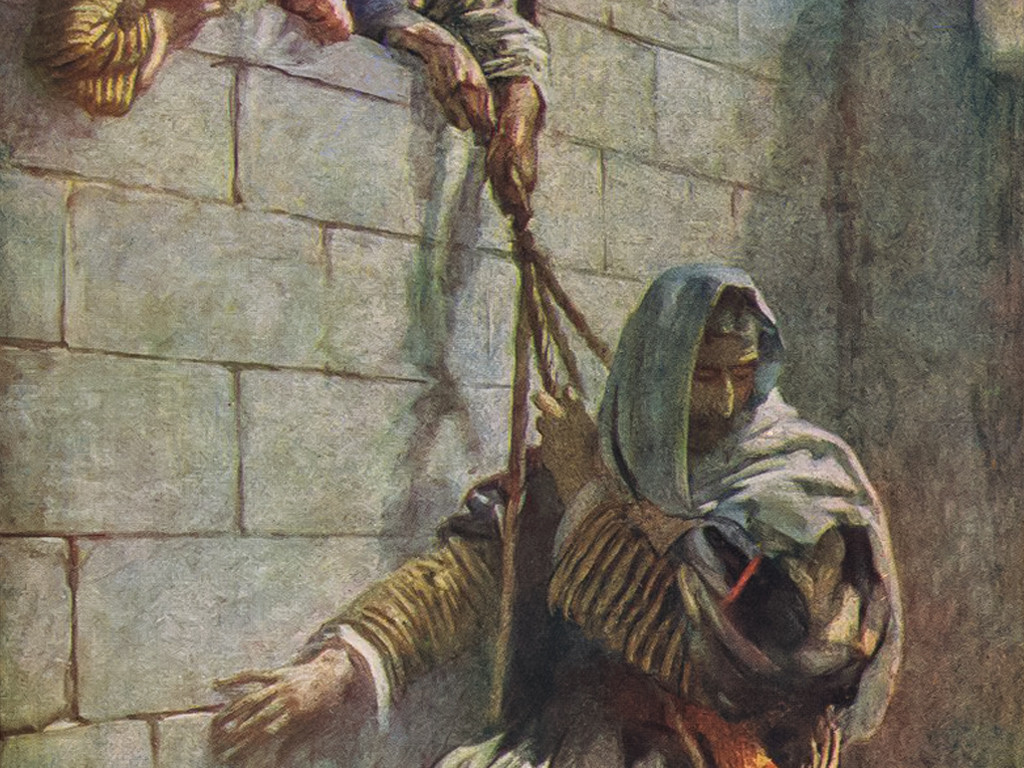
The man who arrived with letters from the high priest leaves in a basket. Notice the two words “his disciples.” He already has some.
How long did all this take?
About three years, by Paul’s own count: “I went into Arabia and later returned to Damascus. Only after three years did I go up to Jerusalem” (Galatians 1:17–18). He tells the basket story himself, too, naming a second pursuer, “the governor under King Aretas” (2 Corinthians 11:32), and he files it under “the things that show my weakness” (11:30). His first stint as a preacher ended in a basket, and he wanted people to know it.
In Jerusalem, nobody wants him: “he tried to join the disciples, but they were all afraid of him, not believing that he was a disciple” (9:26). You can hardly blame them. The last time he was in town, he was making the arrests. One man takes the risk: “Then Barnabas brought him to the apostles” (9:27) and told them the whole story.
His real name was Joseph. “Barnabas” was the apostles’ nickname for him, and Luke translates it: “Son of Encouragement” (Acts 4:36). He earns it here, vouching for a man nobody trusts, and again later, when he travels to Tarsus to fetch Saul for the growing church in Antioch (Acts 11:25–26). Most of us know what we owe to the first person who said, “he’s with me.”
According to Paul, the apostle he got to know on this visit was Peter: “I stayed with him fifteen days” (Galatians 1:18). Acts 9 is a chapter in two halves, Saul’s and Peter’s, and this is the one point where the two men meet.
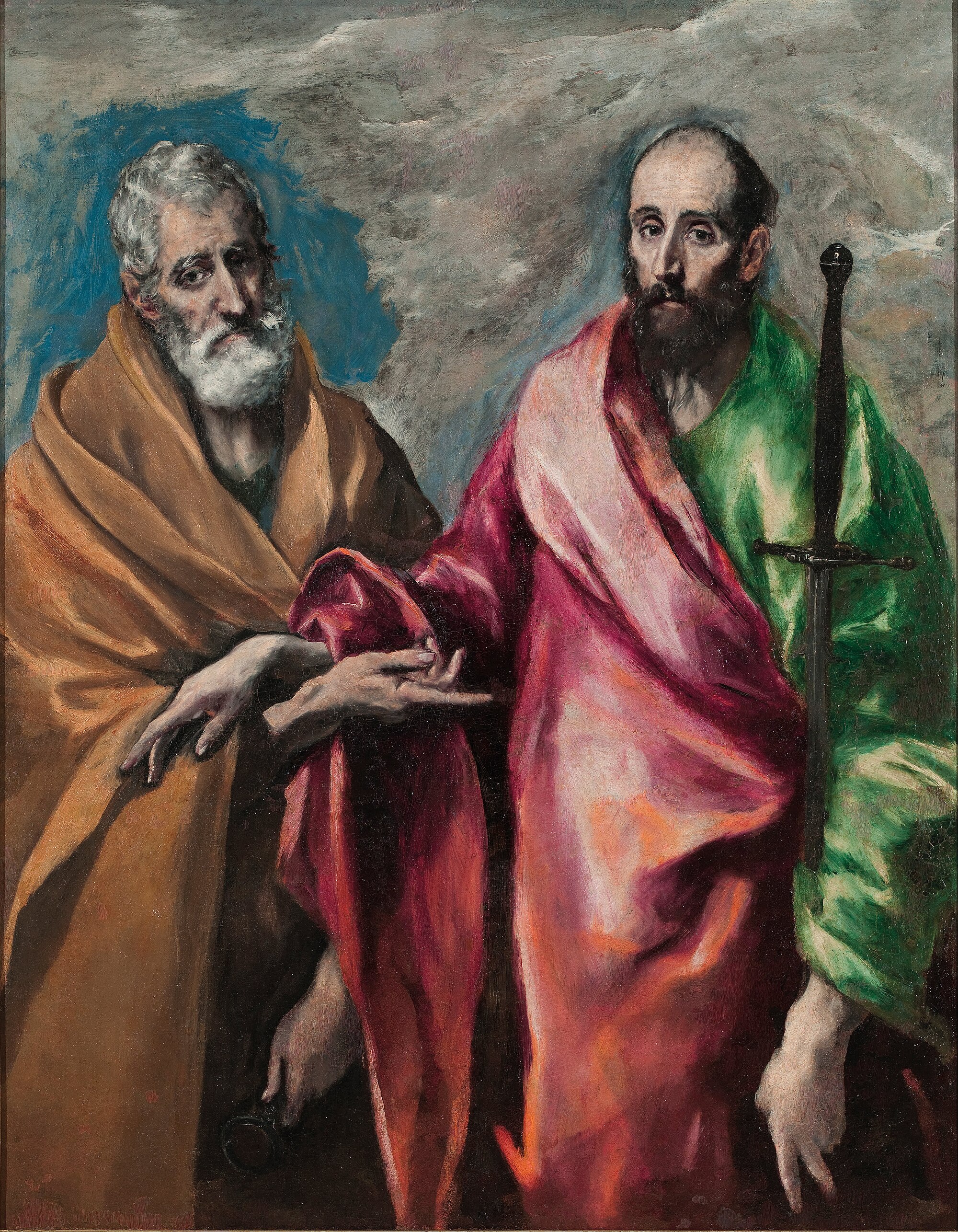
Place this joint portrait beside the passages as a contemplation of the two apostles, not a literal illustration of the confrontation. Their shared place in Christian memory did not require Scripture to erase disagreement between them.
It does not last. Saul debates the Greek-speaking Jews of Jerusalem, very likely the circles that had argued with Stephen (Acts 6:9), and they too try to kill him. The believers “took him down to Caesarea and sent him off to Tarsus” (9:30), his hometown, and he drops out of the story for a while.
Luke closes with a progress report: “Then the church throughout Judea, Galilee, and Samaria experienced a time of peace” (9:31). Its chief persecutor has changed sides and gone home. Peace seems a reasonable result.
“Get Up and Put Away Your Mat” (Acts 9:32–35)
Now Luke turns to Peter, who is traveling around the country visiting the believers. In Lydda (today’s Lod, beside Israel’s main airport) he finds “a man named Aeneas who had been paralyzed and bedridden for eight years” (9:33).
“Aeneas,” Peter said to him, “Jesus Christ heals you! Get up and put away your mat.”
Acts 9:34 · BSB, excerpt
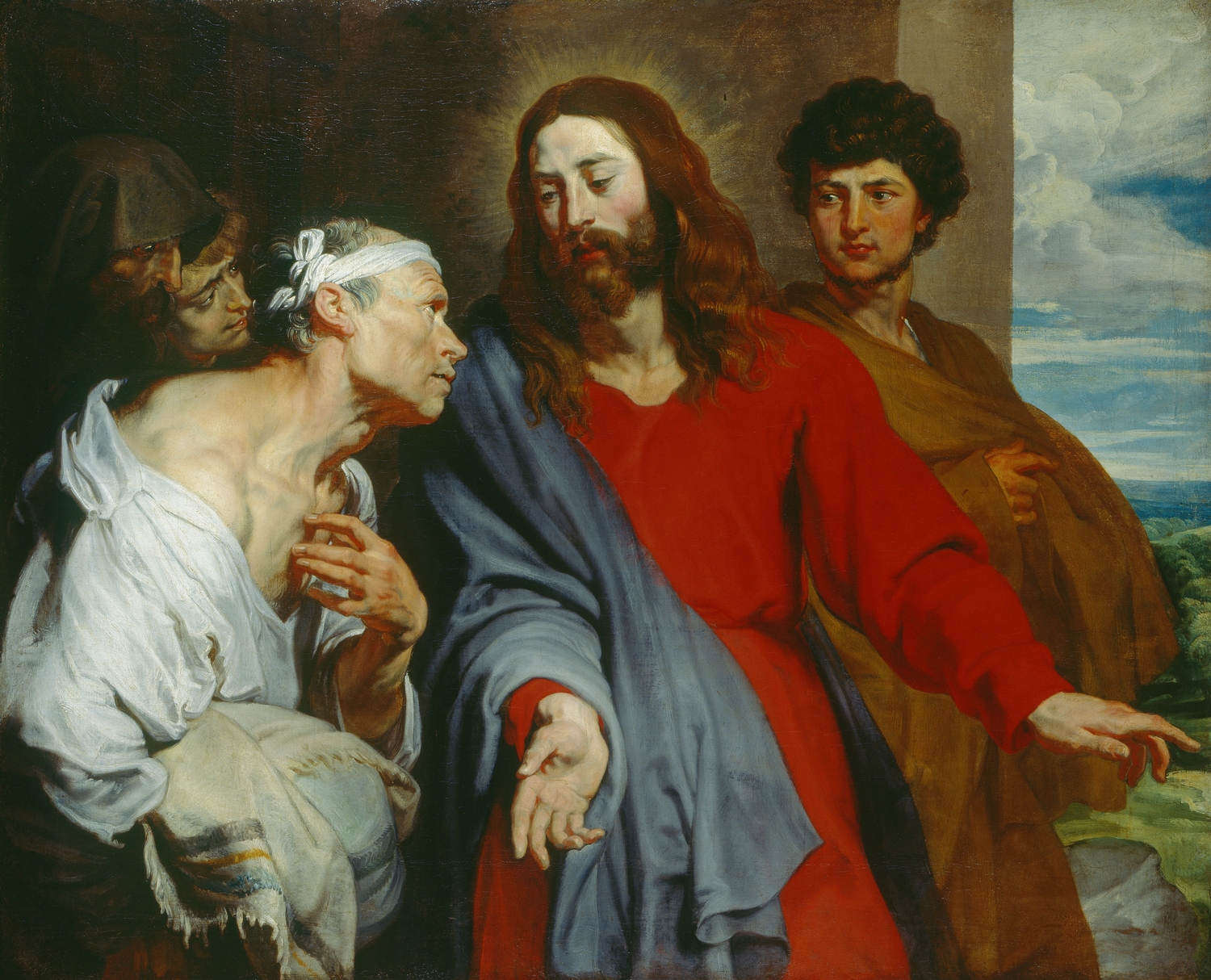
Look at who does the healing in that sentence. Peter names the healer and steps aside. And if the second half sounds familiar, it should. Luke has already told us about a paralyzed man lowered through a roof to Jesus, who heard, “I tell you, get up, pick up your mat, and go home” (Luke 5:24). Van Dyck paints a related healing: the man at the pool of Bethesda, told to take up his mat (John 5:8). Peter is not improvising. He is repeating, almost word for word, what Jesus said.
“Immediately Aeneas got up, and all who lived in Lydda and Sharon saw him and turned to the Lord” (9:34–35).
“Tabitha, Get Up!” (Acts 9:36–43)
A few hours’ walk away, in the port of Joppa, a woman has died.
In Joppa there was a disciple named Tabitha (which is translated as Dorcas), who was always occupied with works of kindness and charity.
Acts 9:36 · BSB
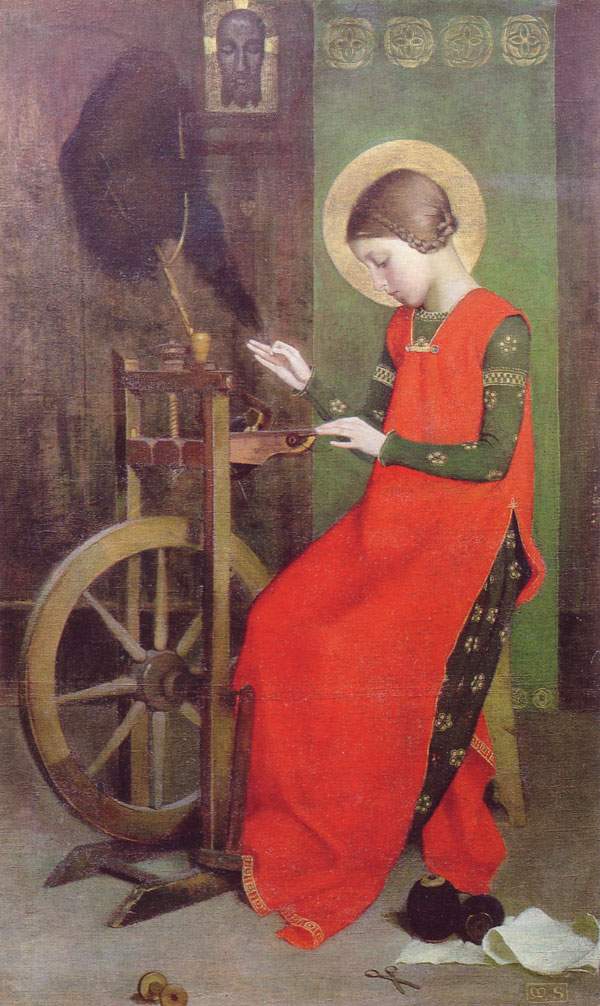
Marianne Stokes’s painting is of a later woman, the medieval princess Saint Elizabeth of Hungary, spinning for the poor. The work is the same.
What do “Tabitha” and “Dorcas” mean?
Both mean “gazelle,” the first in Aramaic and the second in Greek. (There is still an animal called the dorcas gazelle.) Luke pays her a quieter compliment too. His word for “disciple” here is the feminine form, mathētria, and this is the only place it appears in the New Testament. From the nineteenth century on, church sewing circles that clothed the poor called themselves Dorcas Societies, and some still meet.
Her body is washed and laid in an upper room, and two men are sent to Lydda for Peter: “Come to us without delay” (9:38). What he finds when he arrives is a eulogy made of cloth.
All the widows stood around him, weeping and showing him the tunics and other clothing that Dorcas had made while she was still with them.
Acts 9:39 · BSB, excerpt
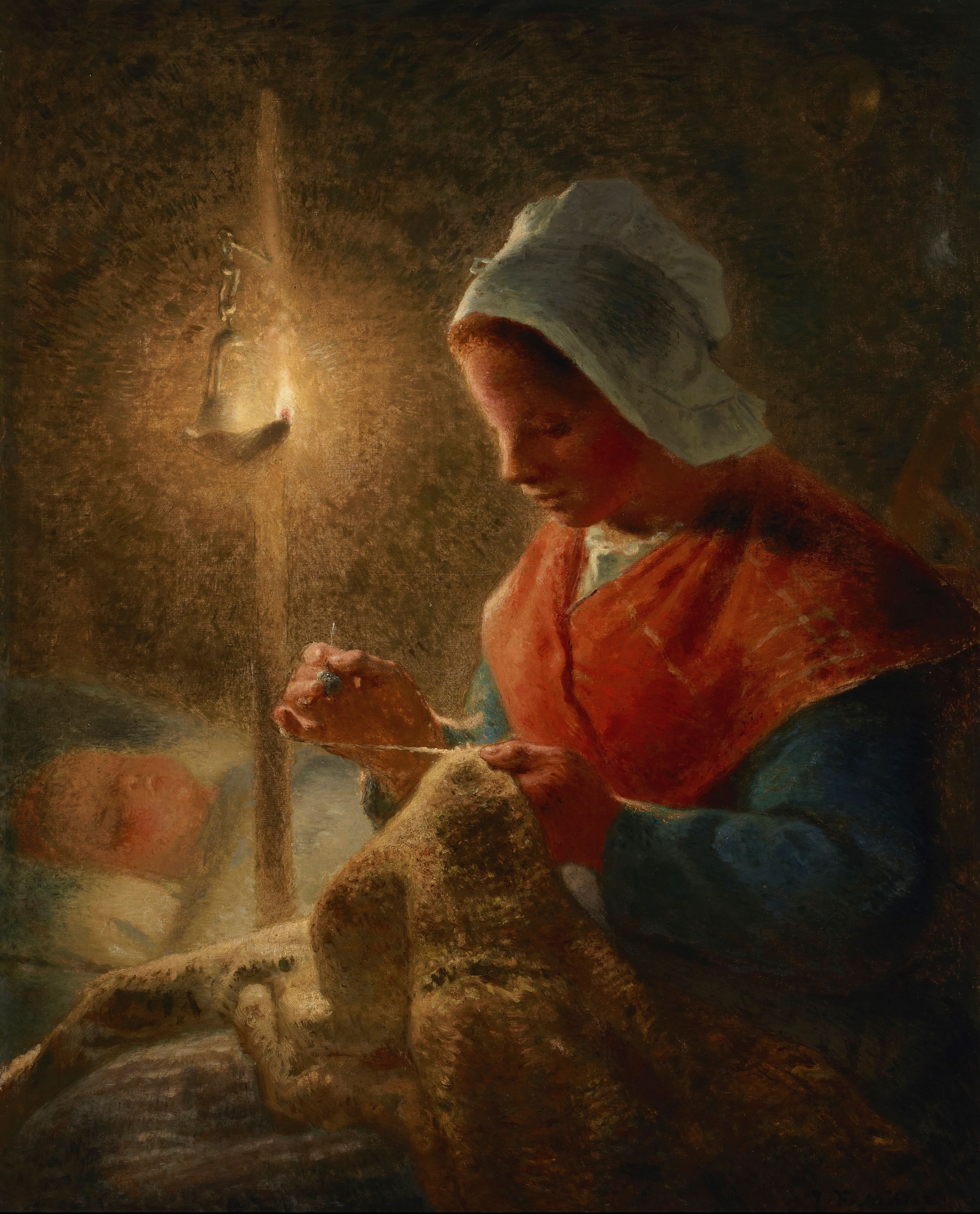
Luke records no speeches about her, only the clothes. Some commentators think the Greek implies the widows were wearing them.
Then Peter sent them all out of the room. He knelt down and prayed, and turning toward her body, he said, “Tabitha, get up!” She opened her eyes, and seeing Peter, she sat up.
Acts 9:40 · BSB
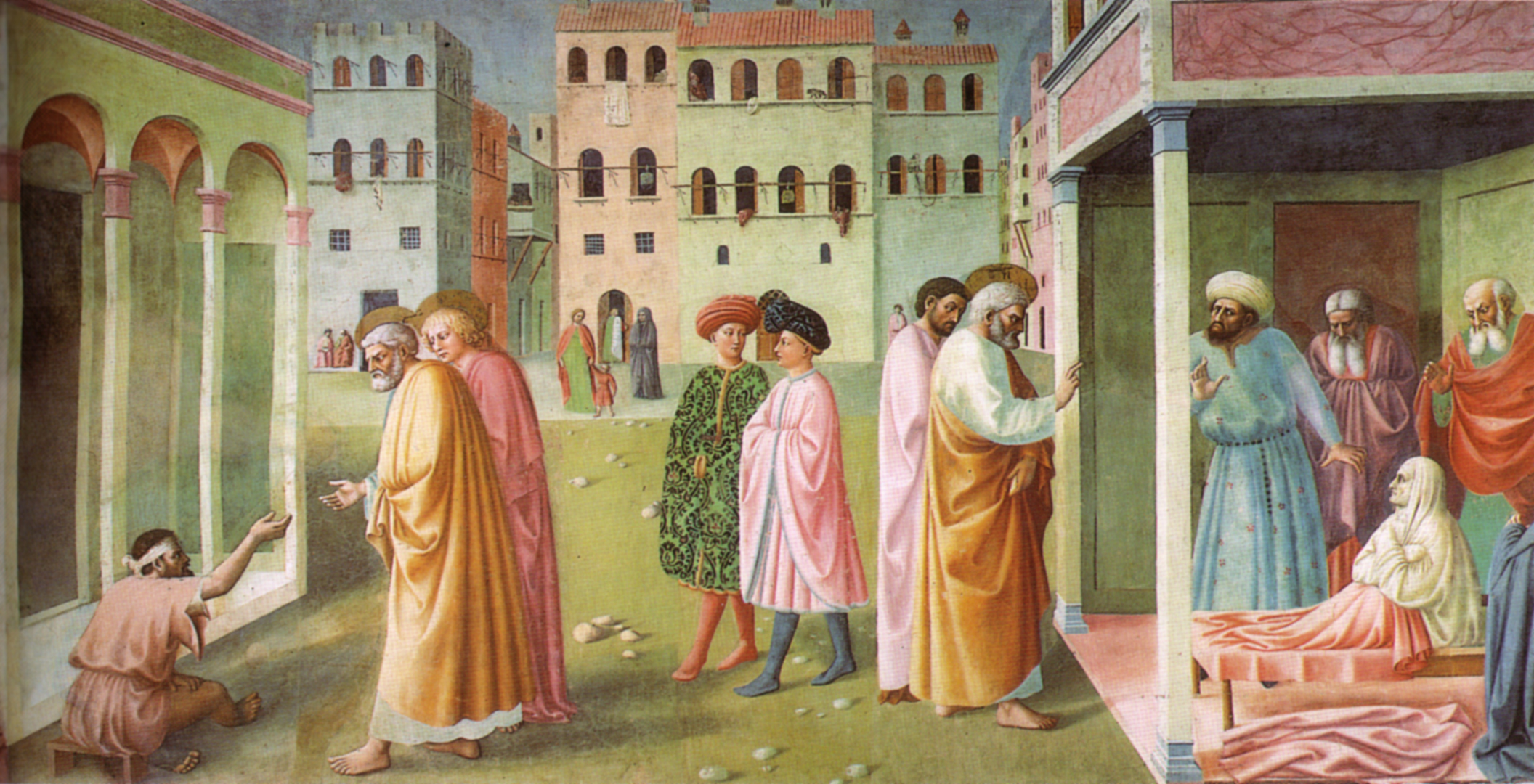
Masolino frescoed two of Peter’s miracles into one Florentine-looking square: the lame man at the temple gate (Acts 3) on the left, Tabitha on the right. Two fashionably dressed young men stroll through the middle, turned toward each other and away from both.
Where had Peter heard those words before?
In the house of a synagogue leader named Jairus, whose twelve-year-old daughter had just died. Jesus let only three disciples come in with him, and Peter was one (Mark 5:37). He was there when Jesus put the mourners outside, took the girl by the hand, and said in Aramaic, “Talitha koum!” which means, “Little girl, I say to you, get up!” (Mark 5:40–41).
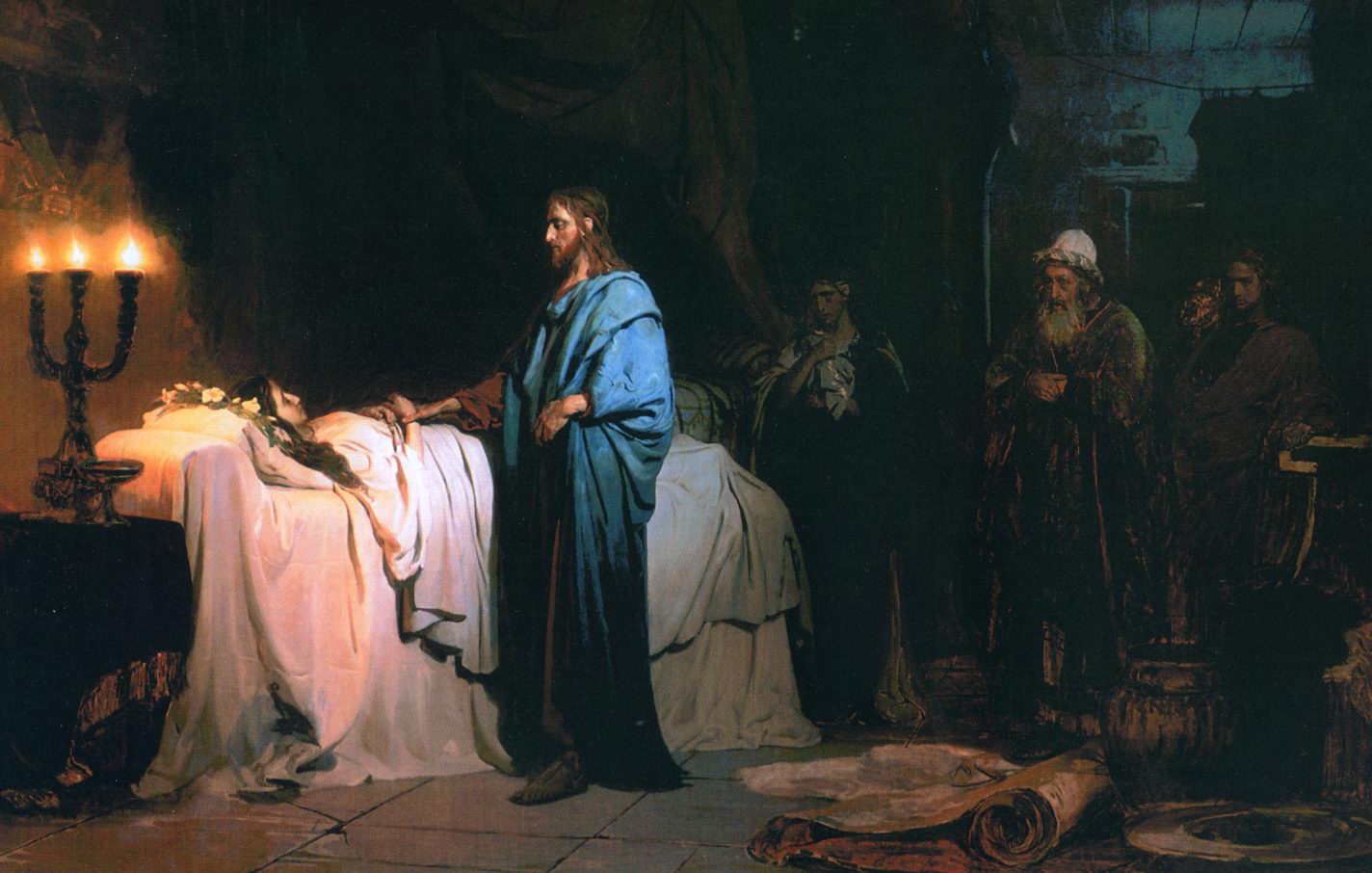
Now run Acts 9 again. Peter sends everyone out, says, “Tabitha, get up!” and takes her by the hand. Acts gives his words in Greek, but Tabitha is an Aramaic name, and if he spoke to her in Aramaic the two commands differed by a single letter: Talitha koum, Tabitha koum. One difference matters more: Jesus simply speaks, and Peter kneels and prays first.
Peter took her by the hand and helped her up. Then he called the saints and widows and presented her to them alive.
Acts 9:41 · BSB
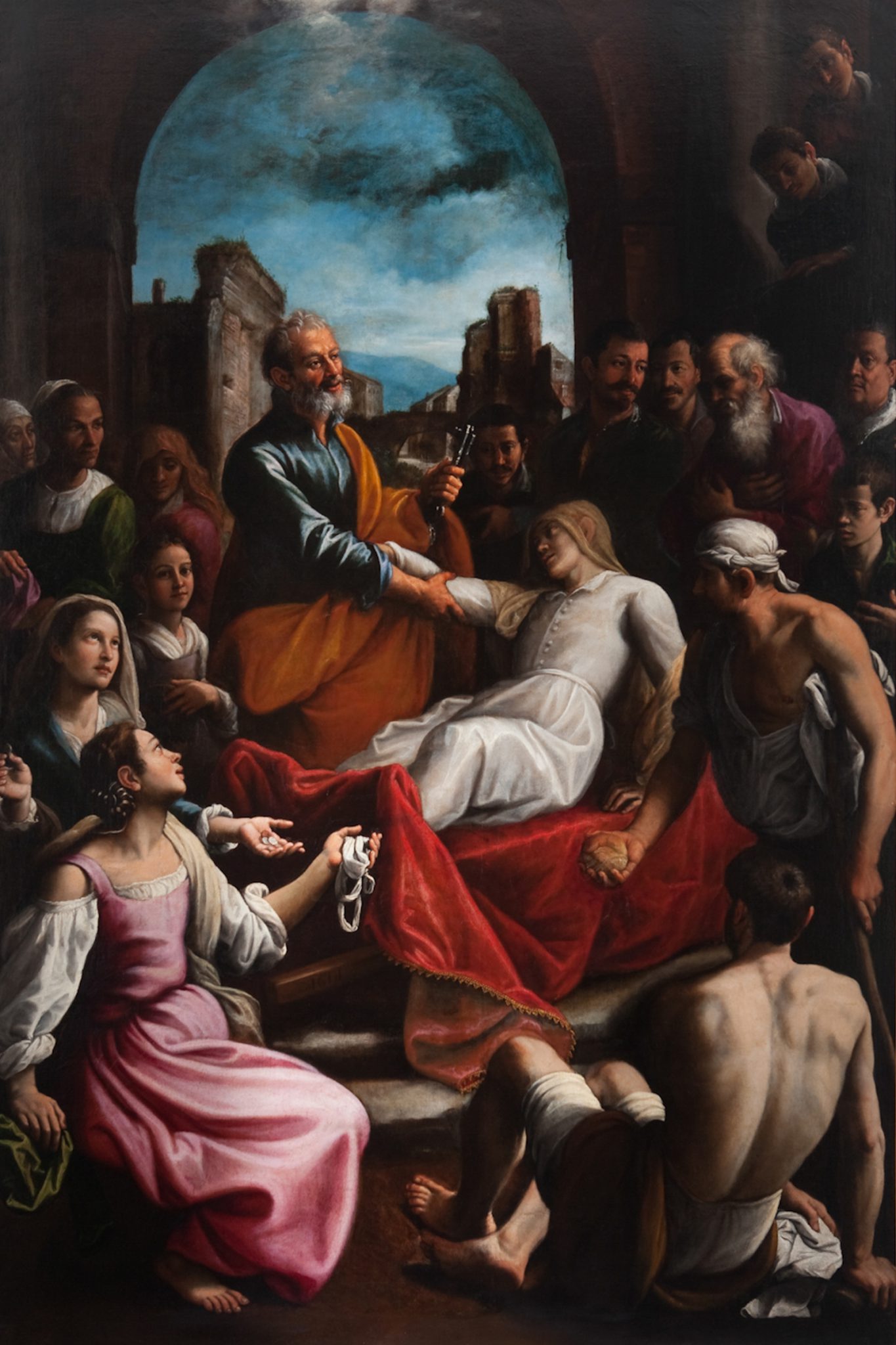
Fabrizio Santafede painted this for the church of a Naples charity, the Pio Monte della Misericordia, which also holds Caravaggio’s Seven Works of Mercy. It is easy to see why a charity wanted Tabitha on its wall. (Luke says Peter cleared the room first. Neither Santafede nor Masolino could bring himself to paint it empty.)
How many times does someone “get up” in Acts 9?
Eight, in this translation: Saul is told to (9:6) and does (9:8); Ananias is told to (9:11); Saul gets up to be baptized (9:18); Aeneas is told to, and does (9:34); Peter gets up to go to Joppa (9:39); and Tabitha is told to (9:40). In Greek, seven of the eight are one verb, anistēmi, whose noun, anastasis, is a New Testament word for resurrection. The eighth, when Saul gets up from the road, is the very word spoken at the empty tomb: “He is not here; He has risen!” (Luke 24:6). Whether or not Luke planned it, the whole chapter is told in Easter’s vocabulary.
The news spreads “all over Joppa” (9:42), and the chapter ends on what looks like a throwaway line: “And Peter stayed for several days in Joppa with a tanner named Simon” (9:43).
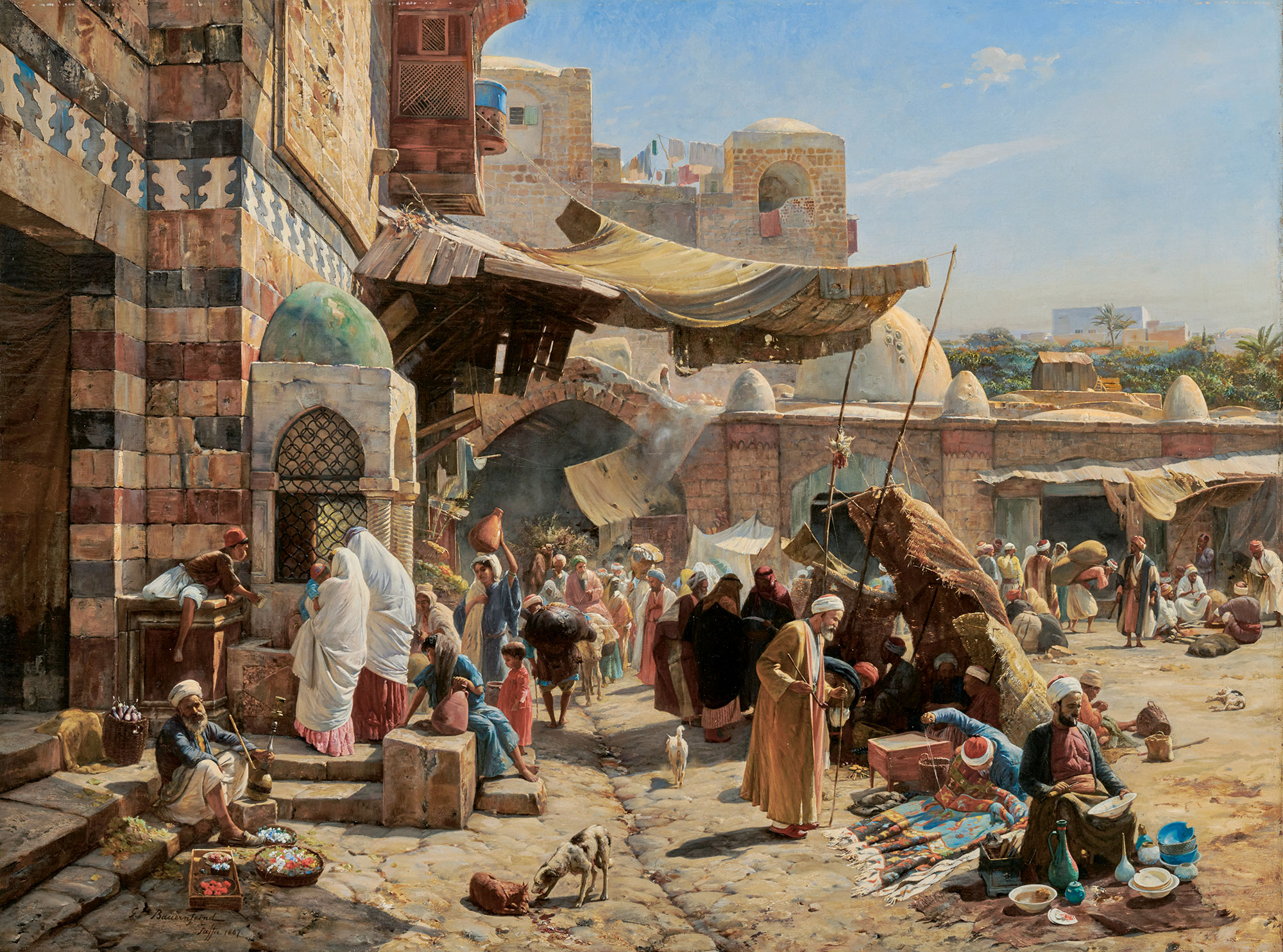
Joppa is today’s Jaffa, now part of Tel Aviv.
Why does it matter that Peter stayed with a tanner?
Because of what tanners handled: the skins of dead animals, a smelly trade and, for an observant Jew, work that could bring him into contact with ritual uncleanness. Later Jewish law kept tanneries outside town. Peter, who will protest in the next chapter, “I have never eaten anything impure or unclean” (Acts 10:14), is lodging with one. It is on this man’s roof, “by the sea” (Acts 10:6), that he has his vision about clean and unclean and is sent to a Roman officer named Cornelius.
One more echo. Joppa is the port where the prophet Jonah boarded a ship to run away from a mission to foreigners (Jonah 1:3). Peter, whom Jesus once called “Simon son of Jonah” (Matthew 16:17), is about to be given the same kind of mission in the same town. He goes.
The Verses to Remember from Acts 9
If you keep only twelve lines from this chapter, keep these.
- The voice on the road: “Saul, Saul, why do you persecute Me?” (9:4)
- The answer: “I am Jesus, whom you are persecuting” (9:5)
- The first instruction: “Now get up and go into the city, and you will be told what you must do.” (9:6)
- The available man: “Here I am, Lord” (9:10)
- The job description: “This man is My chosen instrument to carry My name before the Gentiles and their kings, and before the people of Israel.” (9:15)
- The cost: “I will show him how much he must suffer for My name.” (9:16)
- The first word: “Brother Saul” (9:17)
- The scales: “something like scales fell from Saul’s eyes, and his sight was restored.” (9:18)
- The first sermon: “He is the Son of God.” (9:20)
- For Aeneas: “Jesus Christ heals you! Get up and put away your mat.” (9:34)
- Her whole biography: “always occupied with works of kindness and charity” (9:36)
- For Tabitha: “Tabitha, get up!” (9:40)
What Acts 9 Is Really Doing
Put simply: it turns the book around. Until now Acts has been a Jerusalem story with Peter at the center. After this chapter it becomes, more and more, a story about the nations with Paul at the center. Luke does the turning here. He takes the church’s most dangerous enemy and makes him its missionary, and he walks its leading apostle down to the coast and leaves him at a tanner’s door, one chapter before the church opens to the Gentiles.
And notice how little of it anyone does alone. The voice from heaven stops Saul, but it does not heal him. For that, Jesus sends a reluctant man down Straight Street. Saul needs companions to lead him by the hand, Ananias to call him brother, disciples to lower the basket, and Barnabas to vouch for him. Tabitha needs Peter’s hand. Hands recur four times in the chapter: Saul is led by the hand, Ananias’s touch is shown in a vision and then enacted, and Peter takes Tabitha’s hand (9:8, 9:12, 9:17, 9:41). In Acts 9, people get up because someone else reaches down.
Acts 9 at a Glance
- Where we are: within a few years of the first Easter. Stephen has been killed (Acts 7), the Jerusalem believers have scattered (Acts 8), and Saul is at the front of the crackdown.
- What happens: Saul is stopped on the road to Damascus, blinded, healed, and baptized; he preaches, escapes in a basket, and is accepted in Jerusalem through Barnabas; Peter heals Aeneas in Lydda and raises Tabitha in Joppa.
- The shape of the chapter: the hunter (verses 1–2) · the road (3–9) · Ananias and Straight Street (10–19) · the basket and Barnabas (20–31) · Aeneas (32–35) · Tabitha (36–43).
- The two words: “get up.” They are spoken or obeyed eight times, and in Greek they are resurrection words.
- Why it matters: this is the origin story of the apostle Paul, whose name stands on thirteen of the New Testament’s twenty-seven books, and it sets up Acts 10, where the church opens to the Gentiles.
Read Acts 9 with a Painting: A 4-Step Visio Divina Practice
Visio Divina, Latin for “divine seeing,” simply means praying with a picture instead of only a passage.
- Look (Visio): Choose one painting above and stay with whatever your eye goes to first. Give it a full minute before you decide what it means.
- Meditate (Meditatio): Read the verse beside it, slowly, twice. Which word stays with you?
- Pray (Oratio): Turn that word into one honest sentence to God. If the word is “get up,” tell him what you would be getting up from.
- Contemplate (Contemplatio): Rest in silence for one minute. If it helps, hold on to “Brother,” the first word Ananias said to a man he had every reason to fear.
Questions People Ask About Acts 9
- What does “a road to Damascus moment” mean?
- A sudden, complete change of mind or direction. The phrase comes from this chapter, where Saul sets out as a persecutor and arrives as a convert. It is worth noticing, though, that even this “sudden” conversion took three blind days, one brave stranger, and about three years before his first visit to Jerusalem as a believer.
- What does “kick against the goads” mean?
- It is what the voice adds when Paul retells this story to King Agrippa: “It is hard for you to kick against the goads” (Acts 26:14). A goad was a pointed stick for driving oxen, and an ox that kicked at it only hurt itself. Acts tells the Damascus road story three times (chapters 9, 22, and 26), and the retellings add details: it was around noon (22:6), the light was “brighter than the sun” (26:13), and the voice spoke “in Hebrew” (26:14). The King James Version has the goads line in Acts 9 as well; most modern translations, following older manuscripts, keep it for chapter 26.
- Does Acts 9:7 contradict Acts 22:9?
- The BSB distinguishes hearing the voice from understanding it. Here Saul’s companions “heard the voice but did not see anyone” (9:7); in Paul’s own retelling they “saw the light, but they could not understand the voice” (22:9). On that reading, they saw the light and heard the sound without understanding the message. Other translations render Acts 22:9 differently.
- Is the Ananias of Acts 9 the one who died in Acts 5?
- No. Acts has three men named Ananias: the one who lied about his donation and died (Acts 5), the disciple in Damascus, and a high priest who later orders Paul struck on the mouth (Acts 23:2).
- Who baptized Paul?
- Acts does not say. It says only that Saul “got up and was baptized” (9:18). Ananias is the natural guess, since he is the only other believer in the scene, and in Paul’s retelling it is Ananias who tells him, “Get up, be baptized, and wash your sins away” (Acts 22:16).
- Had Paul ever met Jesus before this?
- Nothing in the Bible says so. Paul counts the road to Damascus as his meeting with the risen Jesus, and lists it with the Easter appearances: “And last of all He appeared to me also, as to one of untimely birth” (1 Corinthians 15:8). He kept coming back to the fact that it happened while he was an enemy: “For I am the least of the apostles and am unworthy to be called an apostle, because I persecuted the church of God” (1 Corinthians 15:9).
- When is the Feast of the Conversion of Saint Paul?
- January 25, in the Catholic, Anglican, and Lutheran calendars. It closes the annual Week of Prayer for Christian Unity, which runs from January 18 to 25.
Keep Going
Saul’s first appearance, at the stoning of Stephen: Saint Stephen’s life in art
The day Peter found his voice: Acts 2 in Art
The long road that made Peter the man in Tabitha’s room: Saint Peter’s life in art
If you want to sit with one of these images a little longer, you can restore it yourself. Open Caravaggio’s Conversion of Saint Paul as a puzzle, piece by piece, with the verse and a reflection waiting at the end. Or get the Visio Divina app for a new painting, a new verse, and a new reflection every morning.
Continue in the open gallery