Acts 2 is louder than most people remember. A noise like a storm comes indoors. There is fire that does not burn, a crowd of foreigners hearing their own languages, and an accusation of being drunk at nine in the morning. Then the disciple who denied knowing Jesus stands up and preaches, and the chapter ends with three thousand baptisms and a new kind of community.
Here it is in plain language, with twenty-three paintings and the verses worth remembering set apart so they stay with you.
What Is Acts 2 About?
Acts 2 is the story of Pentecost, the day Christians call the birthday of the church. Fifty days after Easter, Jesus’ followers are together in Jerusalem when the Holy Spirit arrives with a sound like wind and flames like fire. People from every nation hear them speaking in their own languages and ask, “What does this mean?” Peter answers with the first Christian sermon: this is what the prophet Joel promised, and Jesus, whom God raised from the dead, is Lord and Christ. The crowd asks, “Brothers, what shall we do?” and about three thousand are baptized. The chapter closes with a picture of the first church: learning, sharing meals, praying, and looking after anyone in need.
Tap any part to jump to it, with the paintings and the verses.
Fifty Days Later (Acts 2:1)
“When the day of Pentecost came, they were all together in one place” (2:1).
Wasn’t Pentecost already a holiday?
Yes. “Pentecost” is Greek for “fiftieth,” and it was the Greek name for the Jewish Feast of Weeks, a harvest festival kept fifty days after Passover (Leviticus 23:15–16). It was one of the three great pilgrimage feasts, which helps explain the crowd in this chapter. Jewish tradition also came to keep it as the day God gave the Law at Mount Sinai, a day of thunder, smoke, and fire on a mountain: “Mount Sinai was completely enveloped in smoke, because the LORD had descended on it in fire” (Exodus 19:18). So when Acts 2 opens with a noise from heaven and flames, its first readers may well have heard an echo.
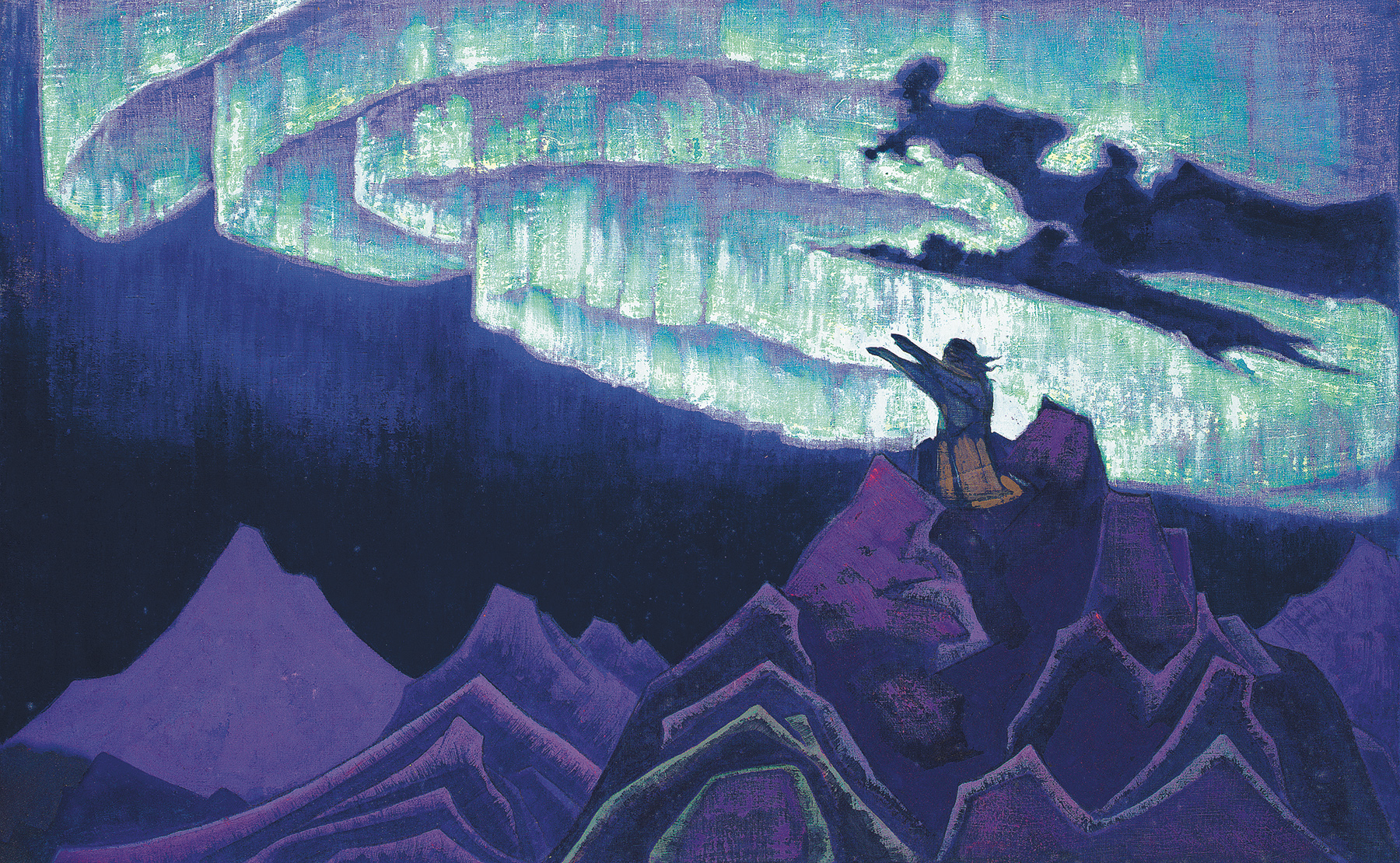
Who was in the room?
Acts does not say exactly. “They” may be the twelve apostles, or the whole group of about a hundred and twenty who, a chapter earlier, were praying together “along with the women and Mary the mother of Jesus” (Acts 1:14–15). Painters, as you will see, chose the bigger reading.
The Sound and the Fire (Acts 2:2–4)
Suddenly a sound like a mighty rushing wind came from heaven and filled the whole house where they were sitting.
Acts 2:2 · BSB
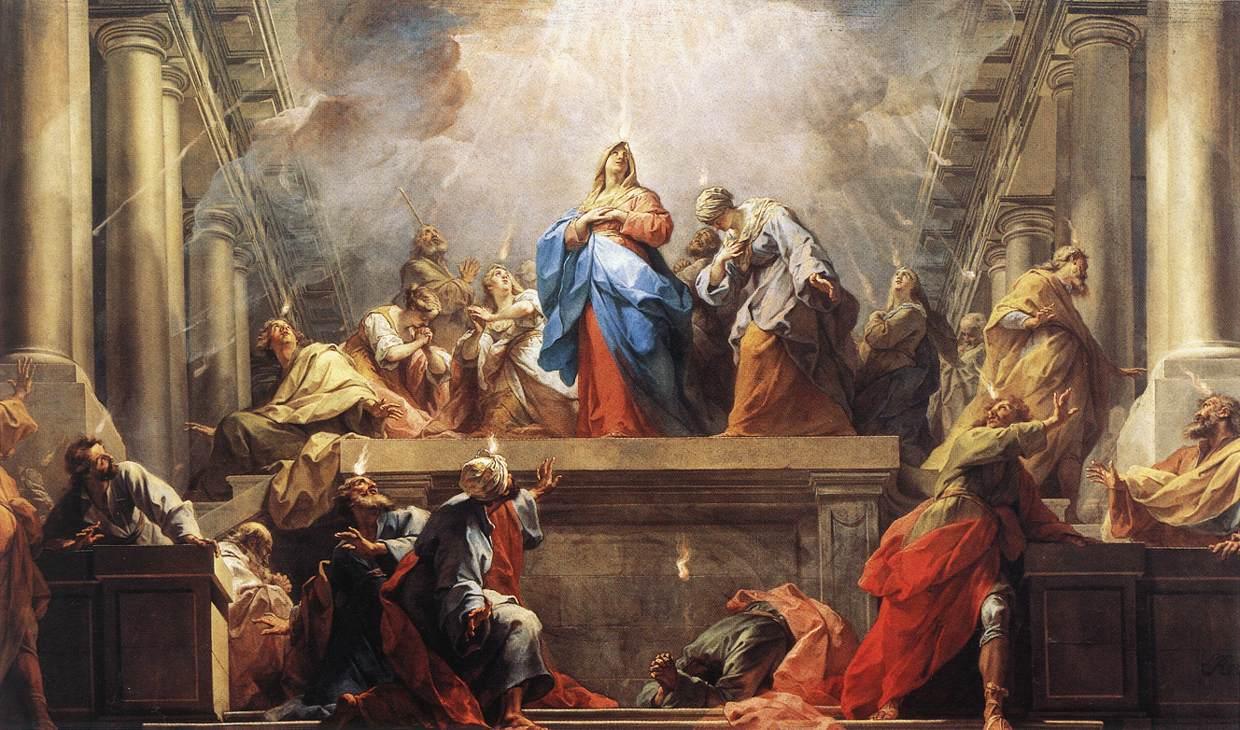
Notice Luke’s care: a sound like wind. And there is a connection hidden in the original languages. In both Hebrew and Greek, the word for “spirit” can also mean “wind” or “breath”; Luke uses a related Greek word for the rushing wind here. The Spirit arrives sounding like its own name.
They saw tongues like flames of fire that separated and came to rest on each of them.
Acts 2:3 · BSB
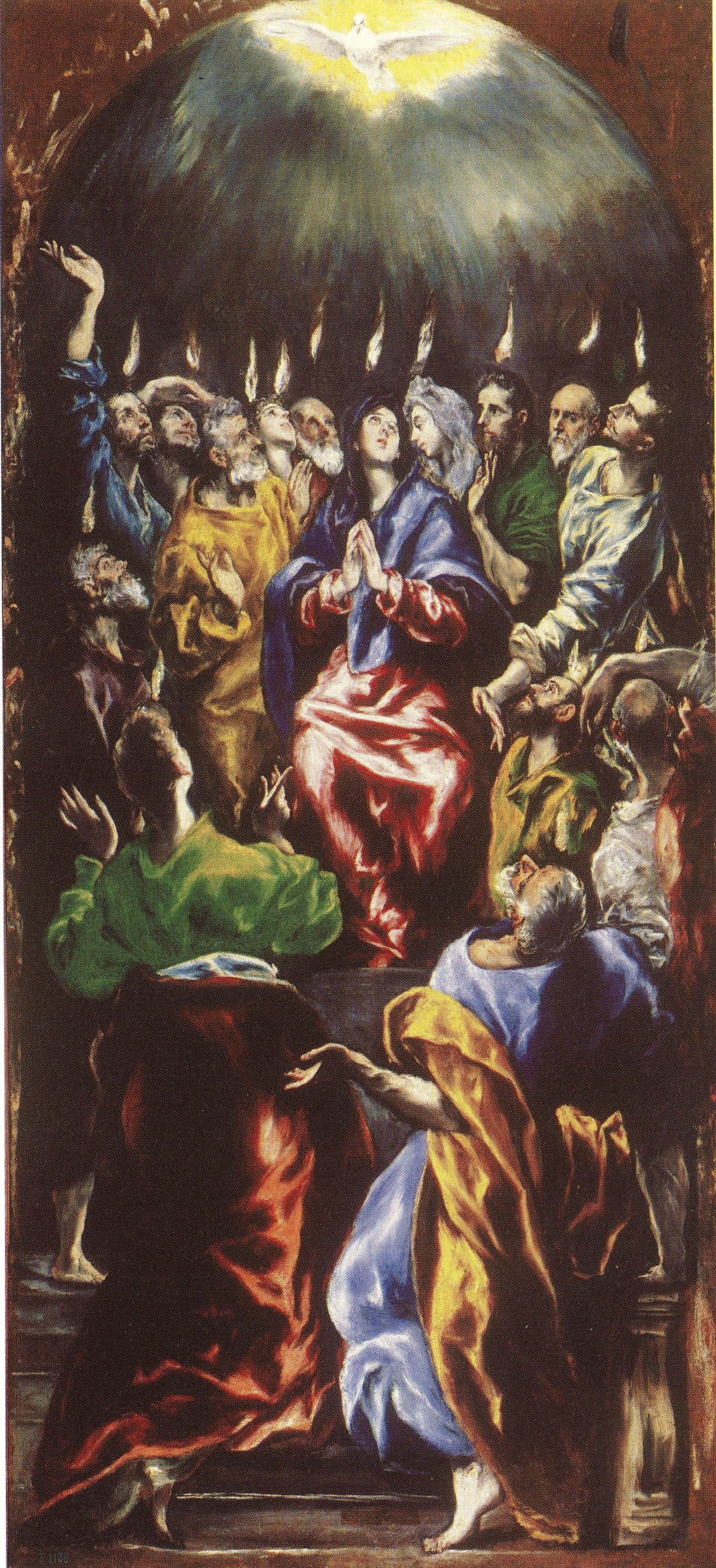
Fire in the Bible usually means God is close: the burning bush, the pillar of fire, Sinai. Here the fire divides and rests on each person. At Sinai the fire sat on a mountain and the people were told to keep back. Now it sits on their heads.
Why do Pentecost paintings show a dove, and Mary?
Neither is in Acts 2. The dove flew in from a different story, the baptism of Jesus, where the Spirit descends “in a bodily form like a dove” (Luke 3:22); painters borrowed it so you would know whose fire this is. And Acts 2 never mentions Mary. Painters put her at the center because Acts 1:14 names her among those praying in the days before.
One more thing to look for in El Greco’s version. The Prado, which owns the painting, points out an apostle at the right who looks out at the viewer instead of up at the flames, and says he has been identified as El Greco himself, or as the painter’s friend Antonio de Covarrubias.
And they were all filled with the Holy Spirit and began to speak in other tongues as the Spirit enabled them.
Acts 2:4 · BSB
Every Language at Once (Acts 2:5–13)
Jerusalem is full of “God-fearing Jews from every nation under heaven” (2:5). The noise draws a crowd, and the crowd is bewildered, “because each one heard them speaking his own language” (2:6).
What makes it stranger is who is talking. “Are not all these who are speaking Galileans?” (2:7). Galilee was the rural north, and Galileans had an accent people noticed; it is the accent that gave Peter away on the night he denied Jesus (Matthew 26:73). These are country people, suddenly fluent in the languages of the world.
Then Luke gives the list, and it is worth reading aloud for the sweep of it: Parthians, Medes, and Elamites; people from Mesopotamia, Judea and Cappadocia, Pontus and Asia, Phrygia and Pamphylia, Egypt and Libya; visitors from Rome; Cretans and Arabs. That is fifteen peoples and places, a map running from modern Iran to Italy and from the Black Sea down to North Africa.
…we hear them declaring the wonders of God in our own tongues!
Acts 2:11 · BSB, excerpt
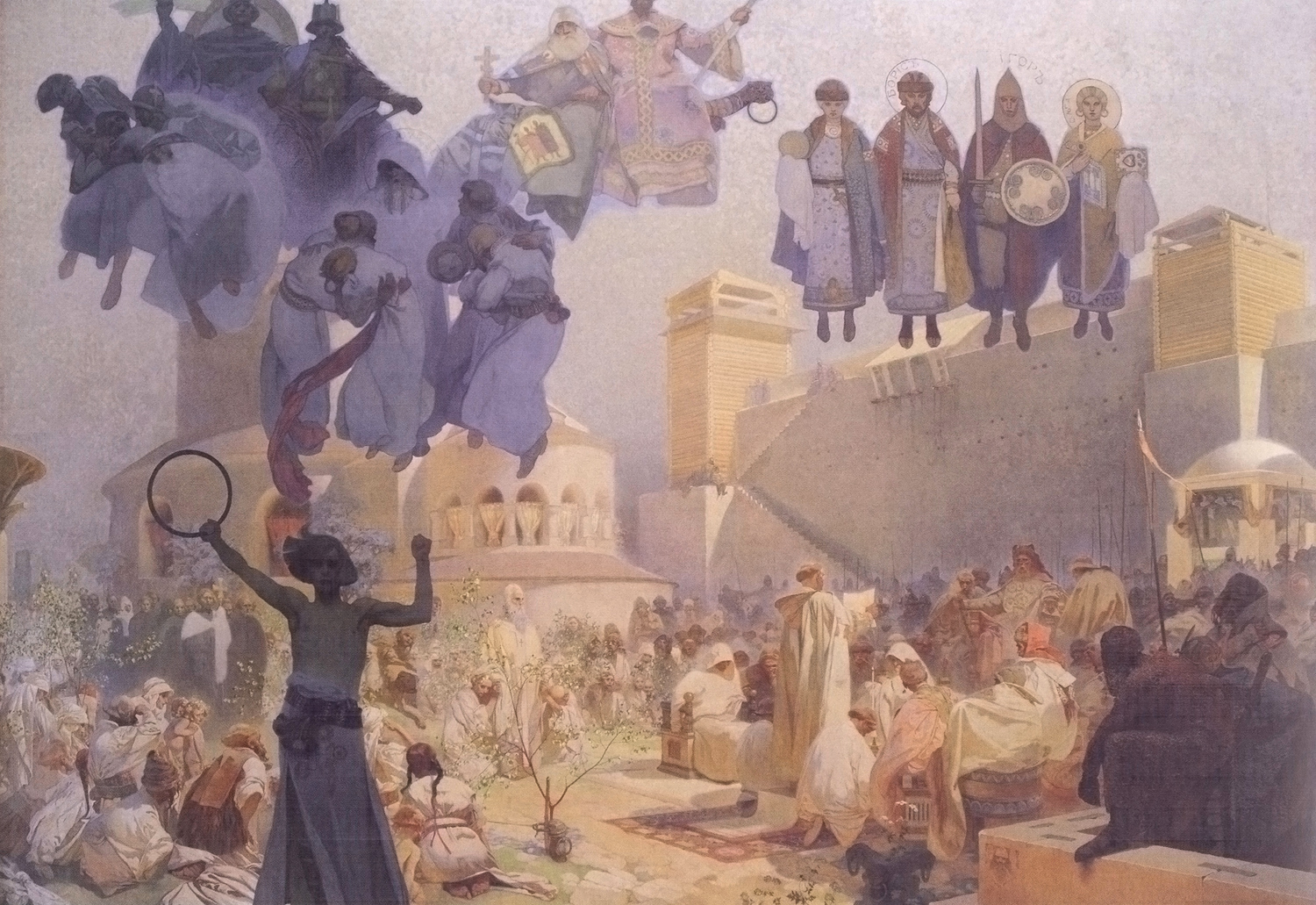
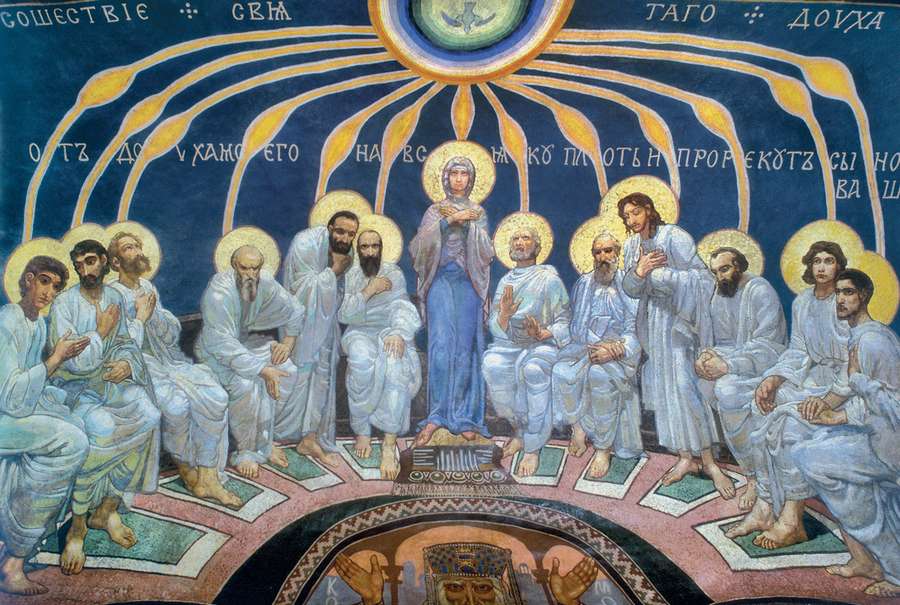
Alphonse Mucha gave this enormous canvas a subtitle that could be a caption for the verse: Praise the Lord in Your Native Tongue. Its subject is Methodius’s return from Rome with permission for Slavic Christians to worship in their own language, building on the mission he shared with Cyril. It is the idea of Pentecost, more than eight hundred years on.
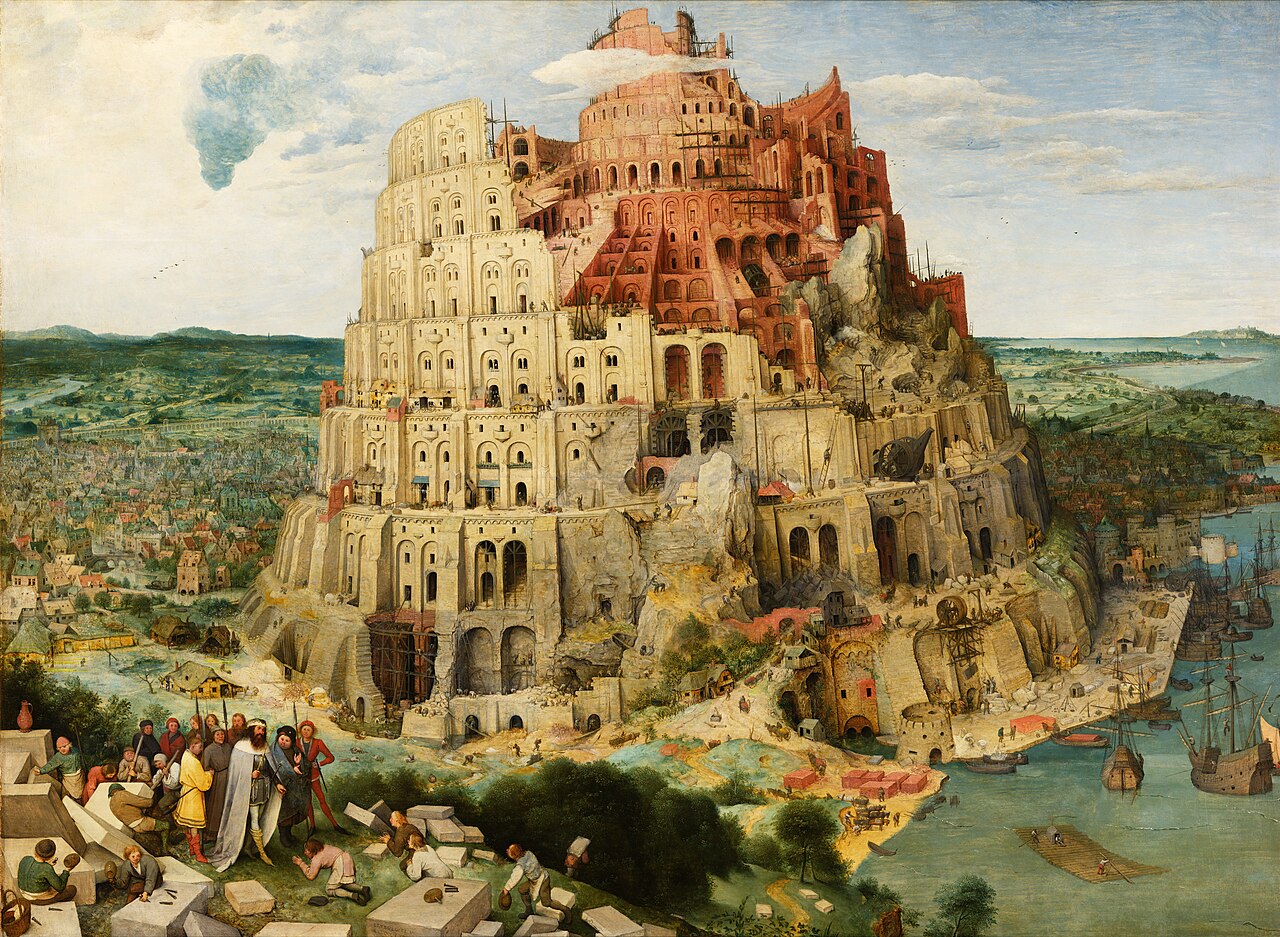
Is Pentecost the Tower of Babel in reverse?
Christians have long read it that way. At Babel “the whole world had one language” until God “confused the language of the whole world” and scattered people across the earth (Genesis 11:1, 9). At Babel, one language shatters into many and people scatter. At Pentecost, many languages carry one message and people gather. And notice what does not happen. Nobody is made to speak the same language. Everyone hears in their own.
The crowd’s reaction is the hinge of the whole chapter:
“What does this mean?”
Acts 2:12 · BSB, excerpt
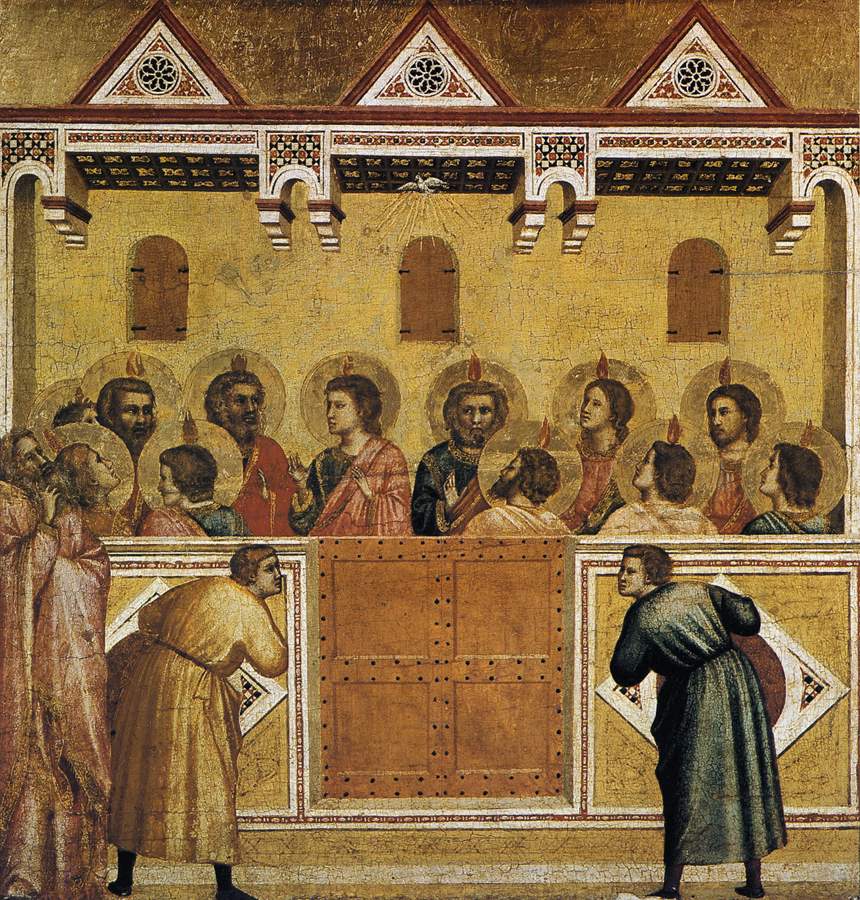
Not everyone is asking sincerely. “But others mocked them and said, ‘They are drunk on new wine!’” (2:13).
“What Does This Mean?” Peter’s Sermon (Acts 2:14–36)
“Then Peter stood up with the Eleven, lifted up his voice, and addressed the crowd” (2:14).
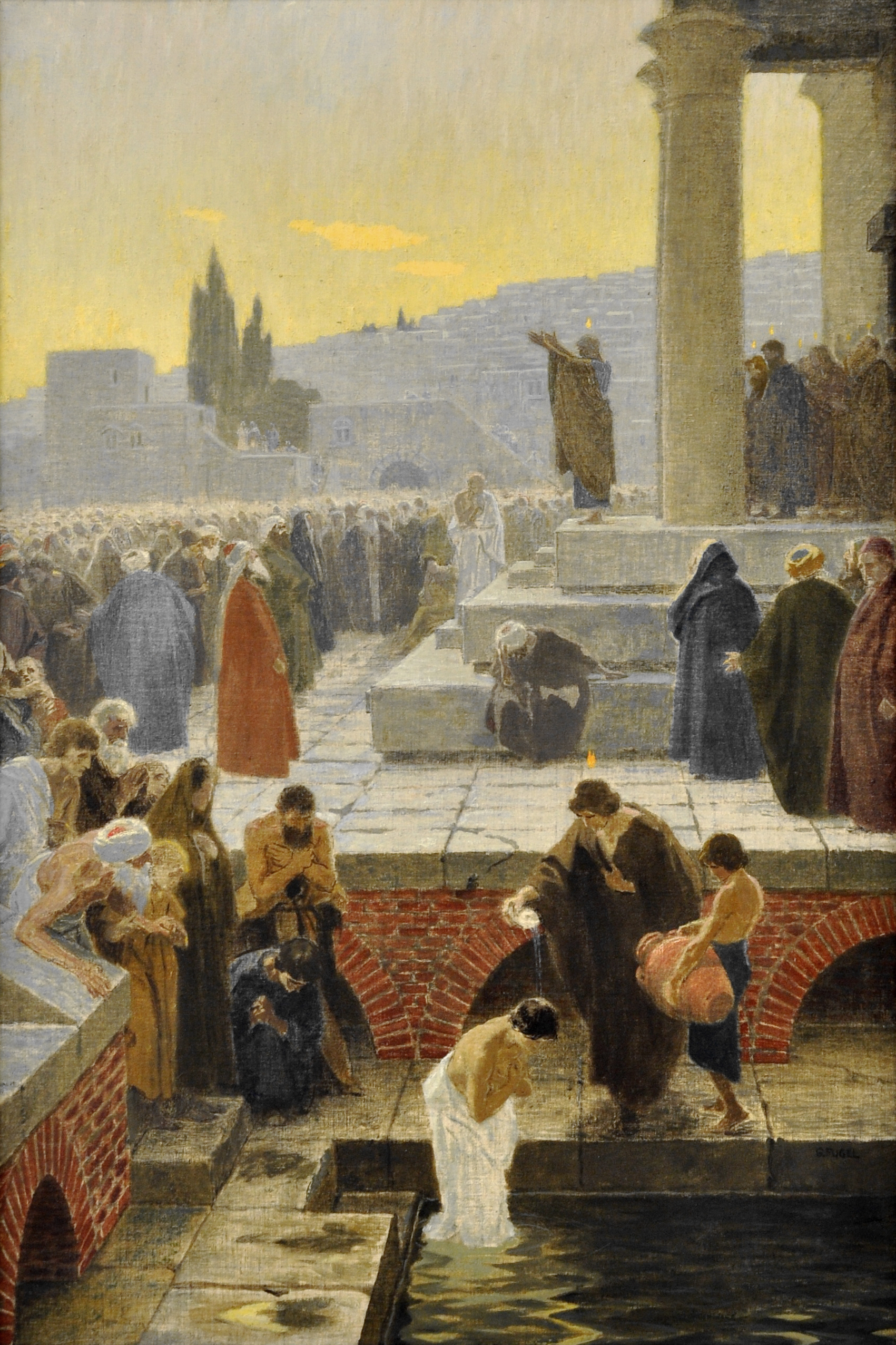
Stop and remember who this is. About seven weeks earlier, in a courtyard in this same city, a servant girl said he was one of Jesus’ followers, and Peter answered, “Woman, I do not know Him” (Luke 22:57). Now he stands up in front of thousands. That whole journey is told in our guide to Saint Peter’s life in art.
Gebhard Fugel has folded the chapter’s ending into its middle: while Peter preaches from the platform, a baptism is already under way in the pool in the foreground.
Were the disciples really accused of being drunk?
Yes, and Peter’s reply is the driest line in the book of Acts: “These men are not drunk, as you suppose. It is only the third hour of the day!” (2:15). The third hour is about nine in the morning. Then he answers the crowd’s real question in three moves.
Move one: this is what Joel promised. Peter reaches for a prophet his hearers knew. Joel is a short book near the end of the Old Testament, and Michelangelo gave its author a seat on the Sistine Chapel ceiling, one of seven prophets painted there.
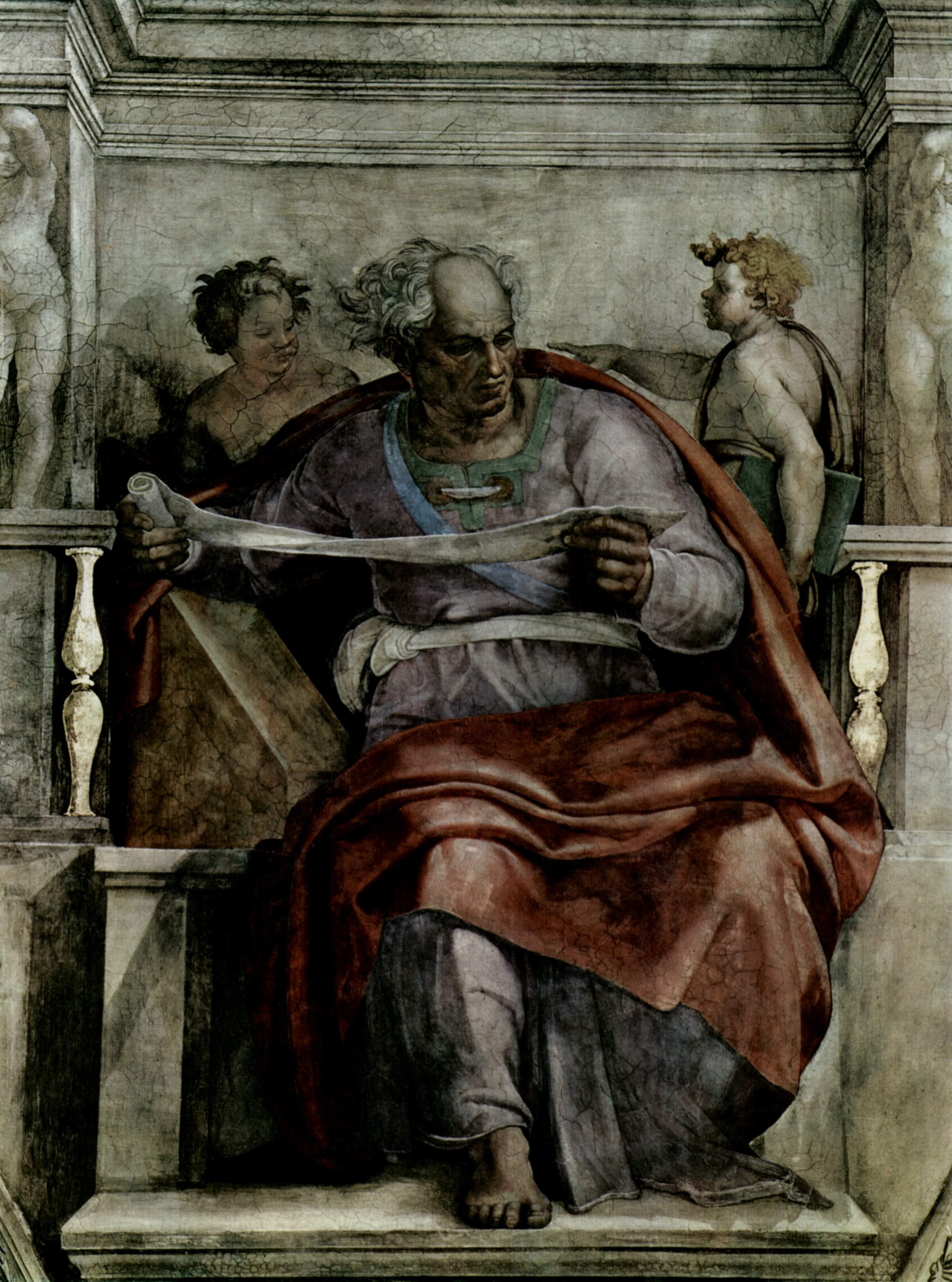
Centuries before Peter, Joel had said this day would come:
‘In the last days, God says, I will pour out My Spirit on all people. Your sons and daughters will prophesy, your young men will see visions, your old men will dream dreams.’
Acts 2:17 · BSB
Read the guest list again. Sons and daughters. Young and old. The next verse adds, “Even on My menservants and maidservants” (2:18). Until now, the Spirit in the Bible has mostly come to a few people for particular jobs: a prophet, a king, a judge. Joel’s promise, and Peter’s claim, is that the few have become everyone. The quotation ends with a door left wide open:
‘And everyone who calls on the name of the Lord will be saved.’
Acts 2:21 · BSB
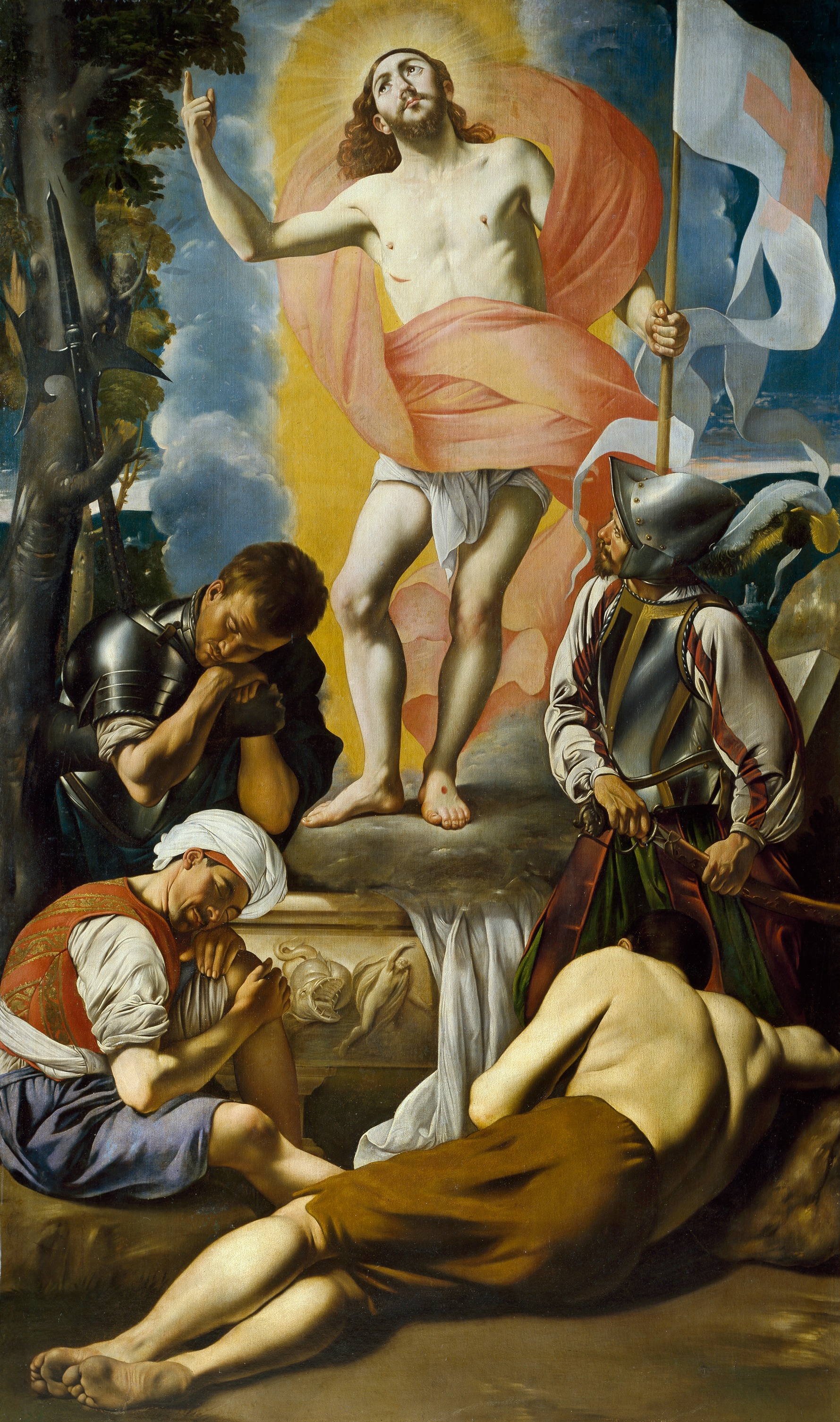
Move two: God raised him. Now Peter names the person all of this is about. Jesus of Nazareth did miracles “among you… as you yourselves know” (2:22). He was handed over and nailed to a cross. And then the sentence the whole sermon turns on:
But God raised Him from the dead, releasing Him from the agony of death, because it was impossible for death to keep Him in its grip.
Acts 2:24 · BSB
A word about verses 23 and 36, where Peter tells the crowd “you… put Him to death.” This is a Jewish man speaking to a Jerusalem crowd of fellow Jews, weeks after the event, about what happened in their city. For centuries lines like these were turned into a charge against Jewish people as a whole, and they are no such thing. Look at what Peter does with the accusation. He does not use it to condemn the crowd. He uses it to invite them, and by the end of the chapter three thousand of them are the church.
Move three: David saw it coming. Peter’s second witness is King David, the poet behind many of the Psalms. He quotes Psalm 16, where David sings that God “will not abandon my soul to Hades, nor will You let Your Holy One see decay,” and ends with a line worth keeping:
‘You have made known to me the paths of life; You will fill me with joy in Your presence.’
Acts 2:28 · BSB
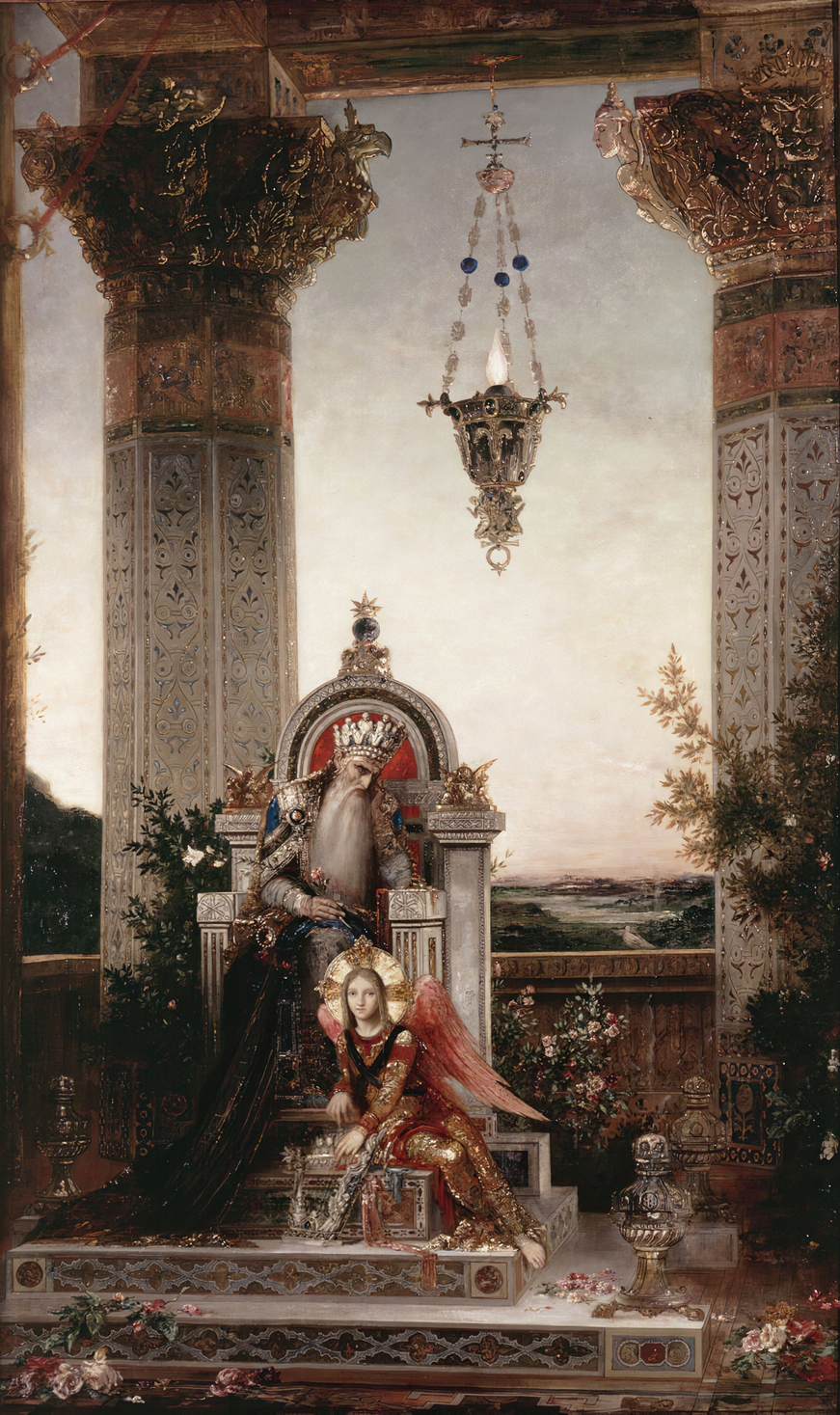
Then comes a very practical argument. David cannot have been talking about himself, Peter says, because David “died and was buried, and his tomb is with us to this day” (2:29). He is pointing to a landmark his audience knew. David’s body did see decay. So the song must be about someone else, one of David’s descendants, whom death could not hold.
God has raised this Jesus to life, to which we are all witnesses.
Acts 2:32 · BSB
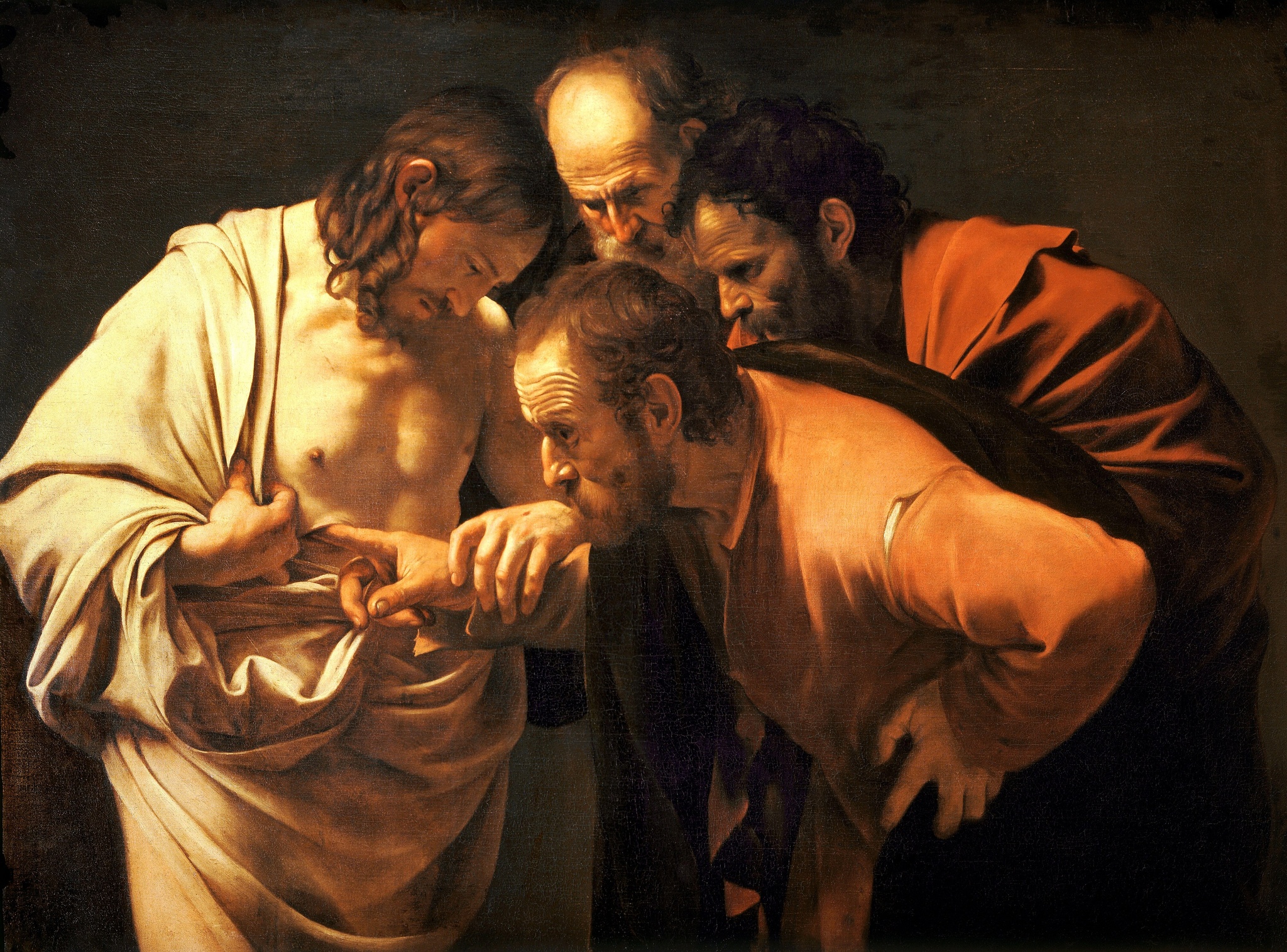
And that, Peter says, is the answer to your question. What you are seeing and hearing this morning is Jesus himself, raised and lifted to God’s right hand, pouring out the Spirit he promised (2:33). The sermon lands on one sentence:
Therefore let all Israel know with certainty that God has made this Jesus, whom you crucified, both Lord and Christ!
Acts 2:36 · BSB
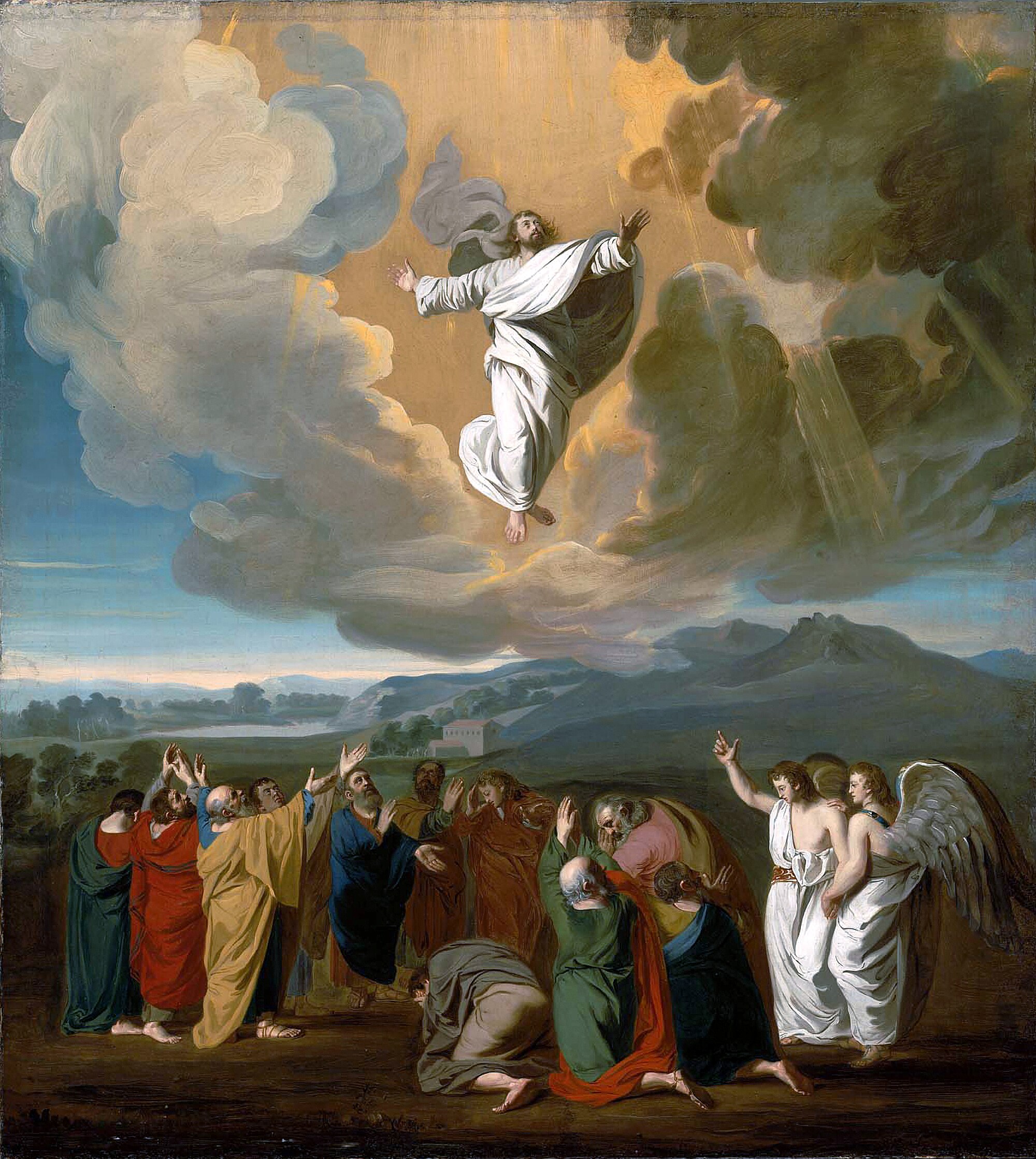
“Christ” is not a surname. It is Greek for “Messiah,” the anointed king Israel had been waiting for.
“Brothers, What Shall We Do?” (Acts 2:37–41)
Luke says the people “were cut to the heart,” and they ask the second great question of the chapter:
“Brothers, what shall we do?”
Acts 2:37 · BSB, excerpt
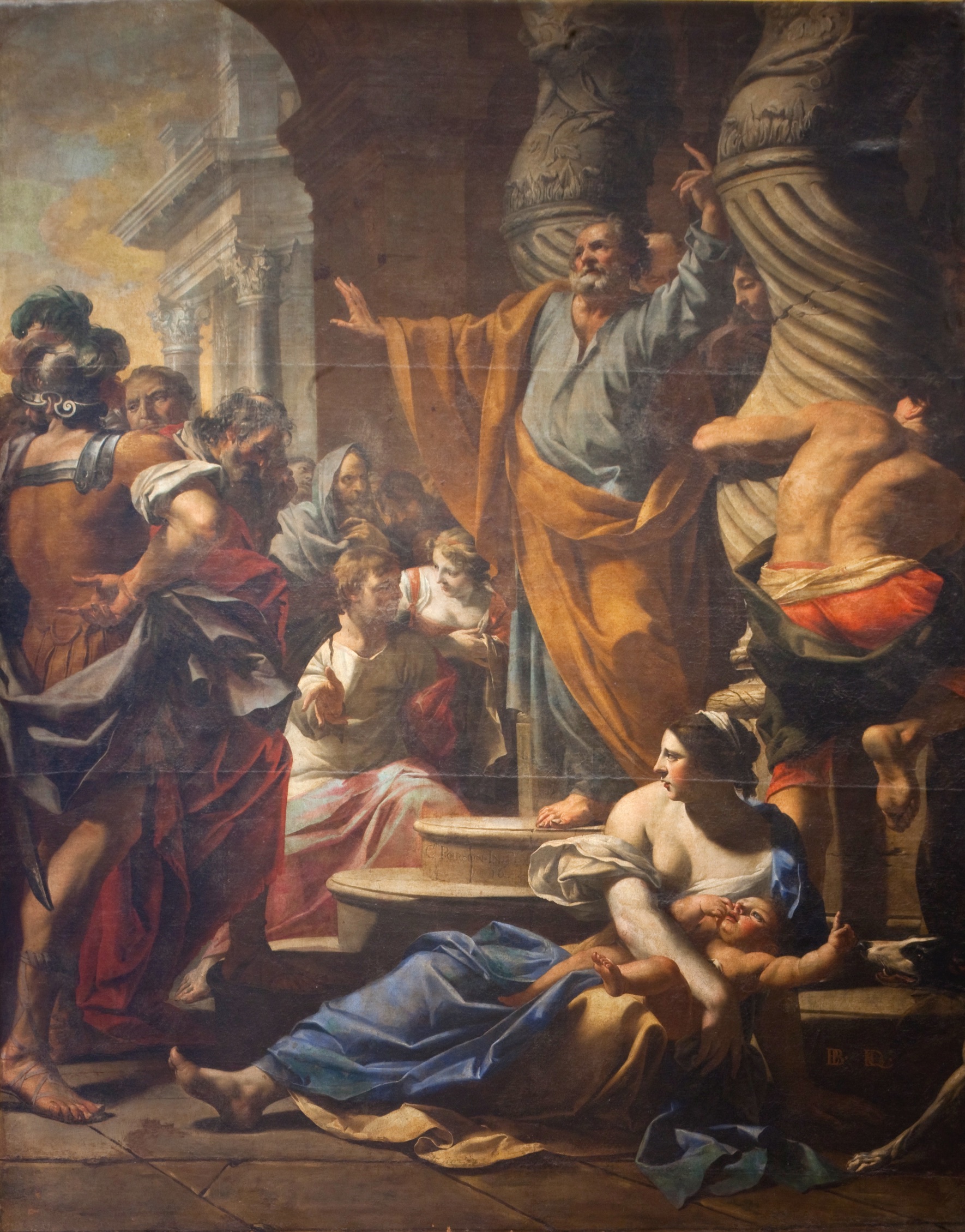
Peter’s answer is short: “Repent and be baptized, every one of you, in the name of Jesus Christ for the forgiveness of your sins, and you will receive the gift of the Holy Spirit” (2:38).
What does “repent” actually mean?
It means to turn around. Repent is a plain word that has picked up a scary sound, but the idea is a change of mind and a change of direction. And then Peter says how far the offer reaches:
This promise belongs to you and your children and to all who are far off—to all whom the Lord our God will call to Himself.
Acts 2:39 · BSB
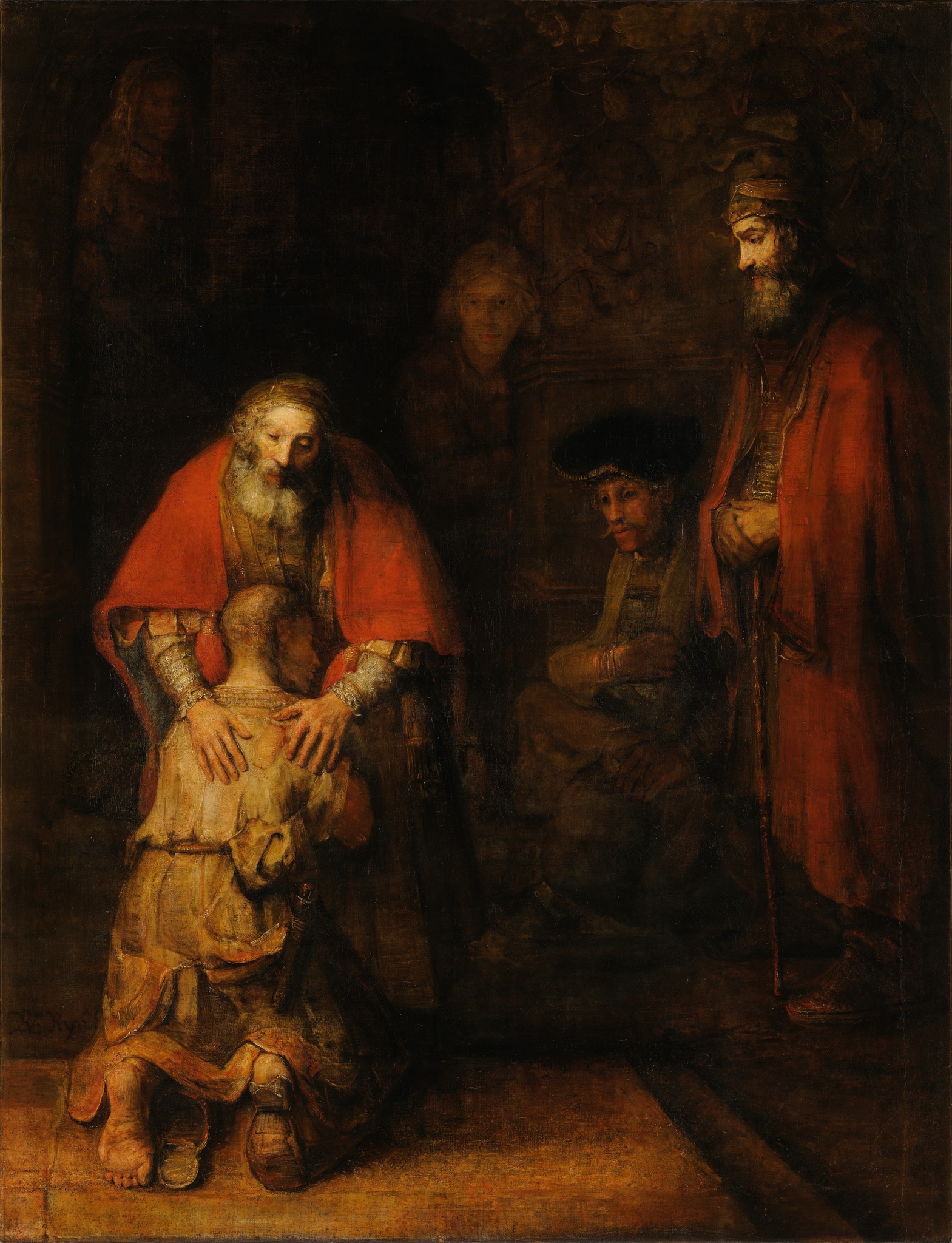
“All who are far off.” If you are reading this from a long way outside any church, that phrase has been holding a place for you for two thousand years. Jesus told a story about it: a son who had gone as far from home as he could, and a father who saw him “while he was still in the distance” and ran (Luke 15:20).
Those who embraced his message were baptized, and about three thousand were added to the believers that day.
Acts 2:41 · BSB
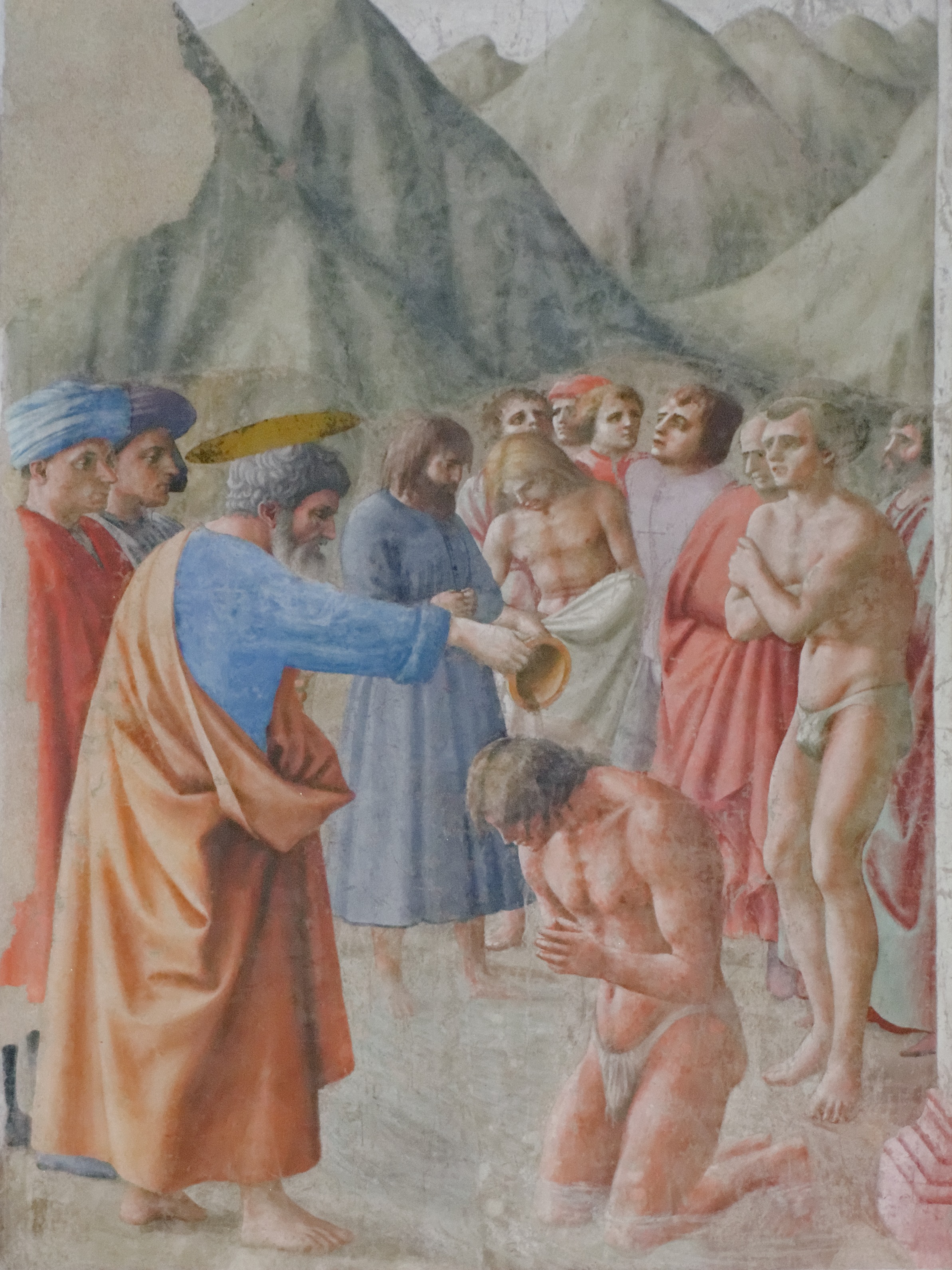
Masaccio painted Peter baptizing new believers on a chapel wall in Florence, and he included a very human detail: it is cold. Behind the kneeling man stands another with his arms crossed over his chest. More than a century later the writer Vasari was still praising that figure, “trembling and shivering with cold among the others who are being baptized.”
Why three thousand?
Luke may simply be reporting the number. But readers have long noticed a mirror. At Mount Sinai, on the day of the golden calf, “about three thousand of the people fell dead” (Exodus 32:28). On the feast that came to remember Sinai, about three thousand come alive.
The First Church (Acts 2:42–47)
The chapter does not end with the big day. It ends with ordinary life, and with four habits:
They devoted themselves to the apostles’ teaching and to the fellowship, to the breaking of bread and to prayer.
Acts 2:42 · BSB
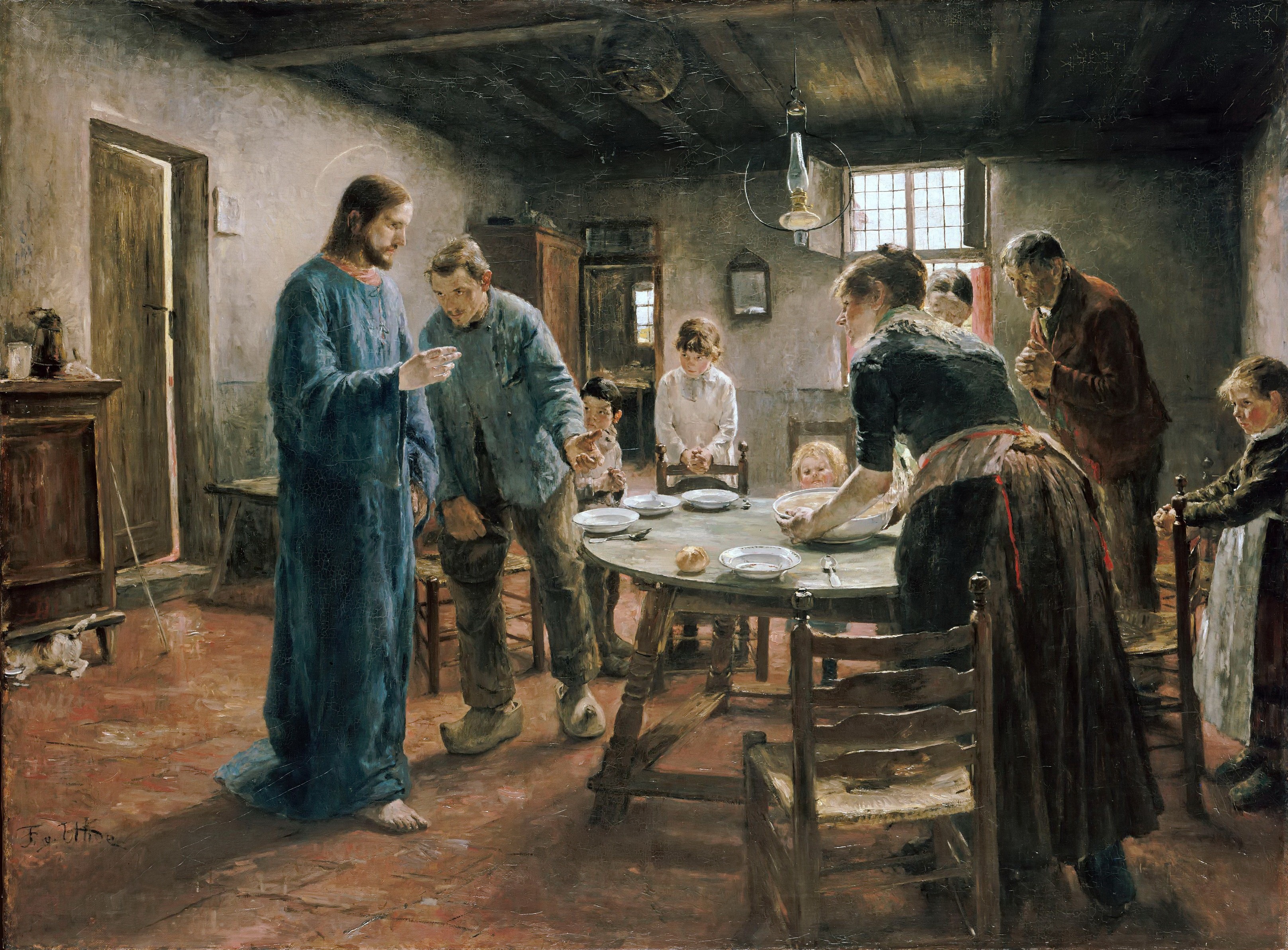
Learning, belonging, eating, praying. That is the whole list. There is no building yet, no budget, and no New Testament; some of the people who will write it are among them.
“A sense of awe came over everyone, and the apostles performed many wonders and signs” (2:43).
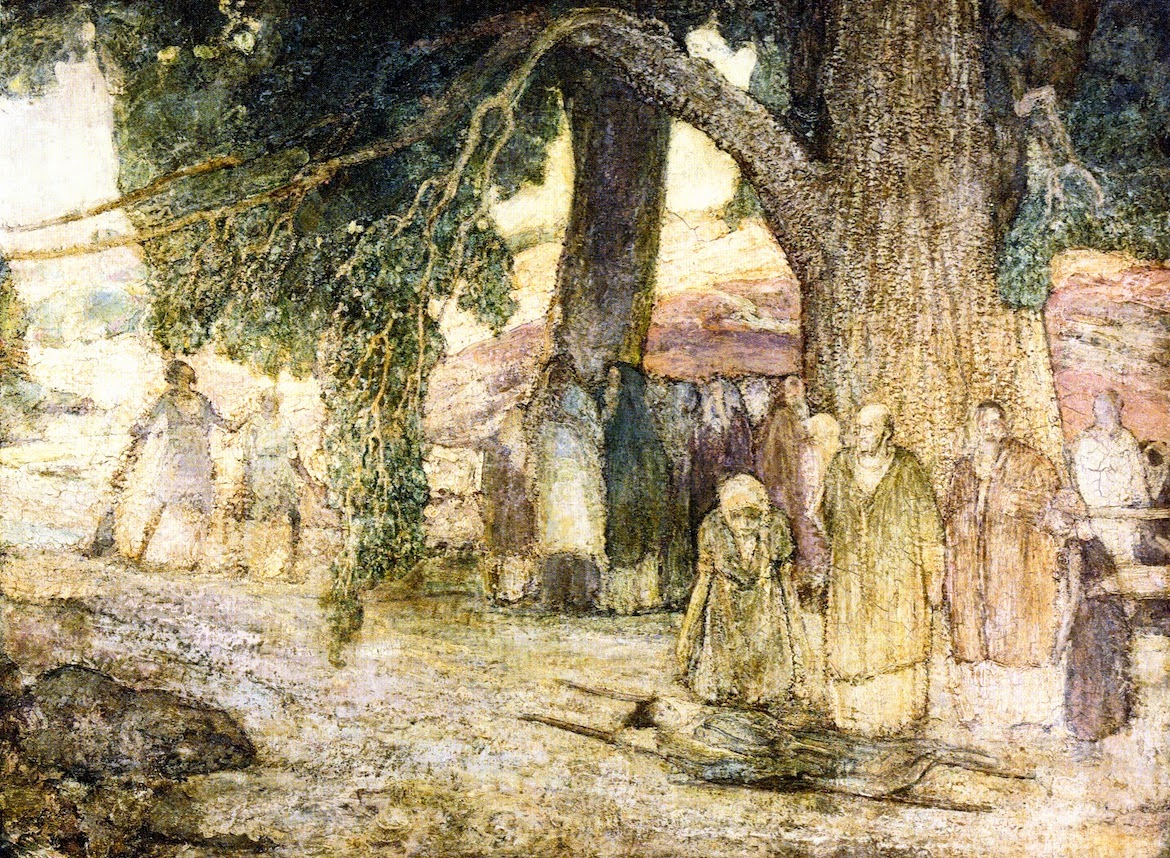
Did the first Christians really share everything?
All the believers were together and had everything in common. Selling their possessions and goods, they shared with anyone who was in need.
Acts 2:44–45 · BSB
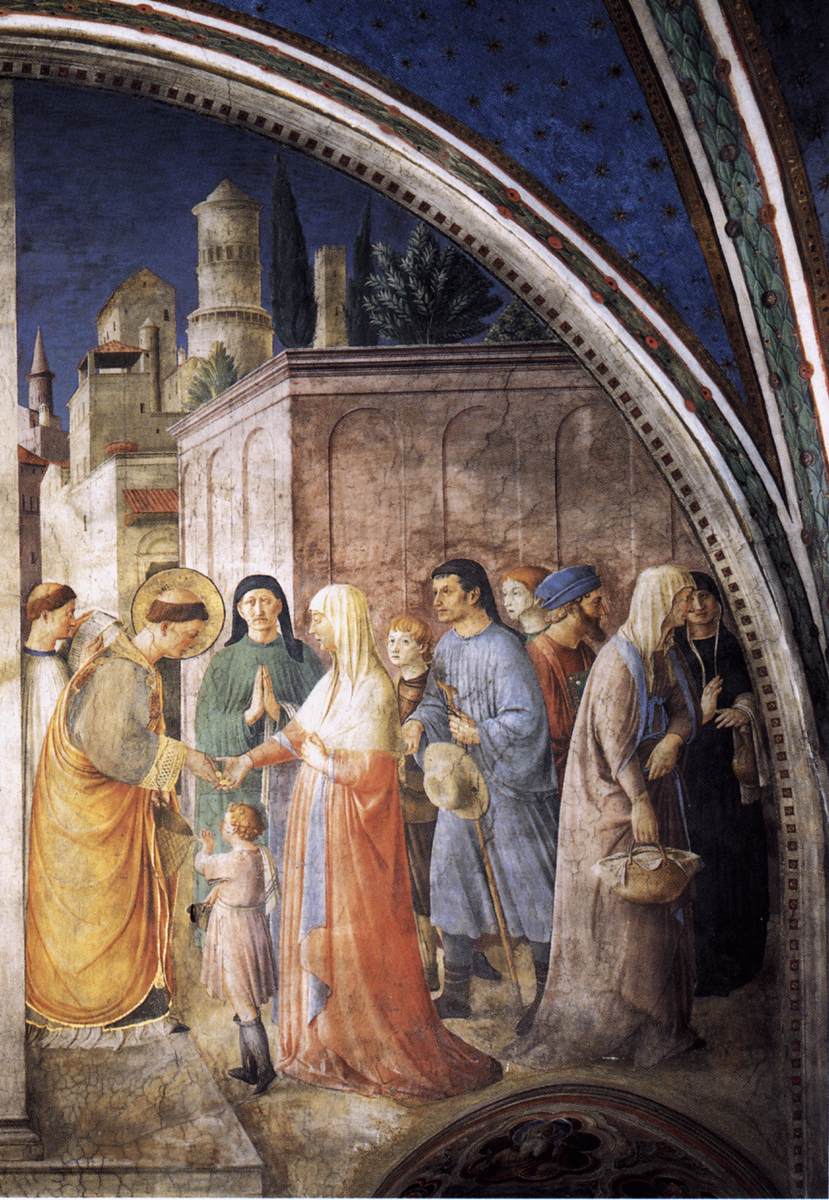
This was generosity, not a rule. A few chapters later Peter says plainly that people’s property was their own to keep or give (Acts 5:4). It also got complicated. By chapter 6 the daily food distribution needs seven new organizers, and one of them is a man named Stephen, whose story is told in Saint Stephen’s life in art.
…they continued to meet daily in the temple courts and to break bread from house to house, sharing their meals with gladness and sincerity of heart…
Acts 2:46 · BSB, excerpt
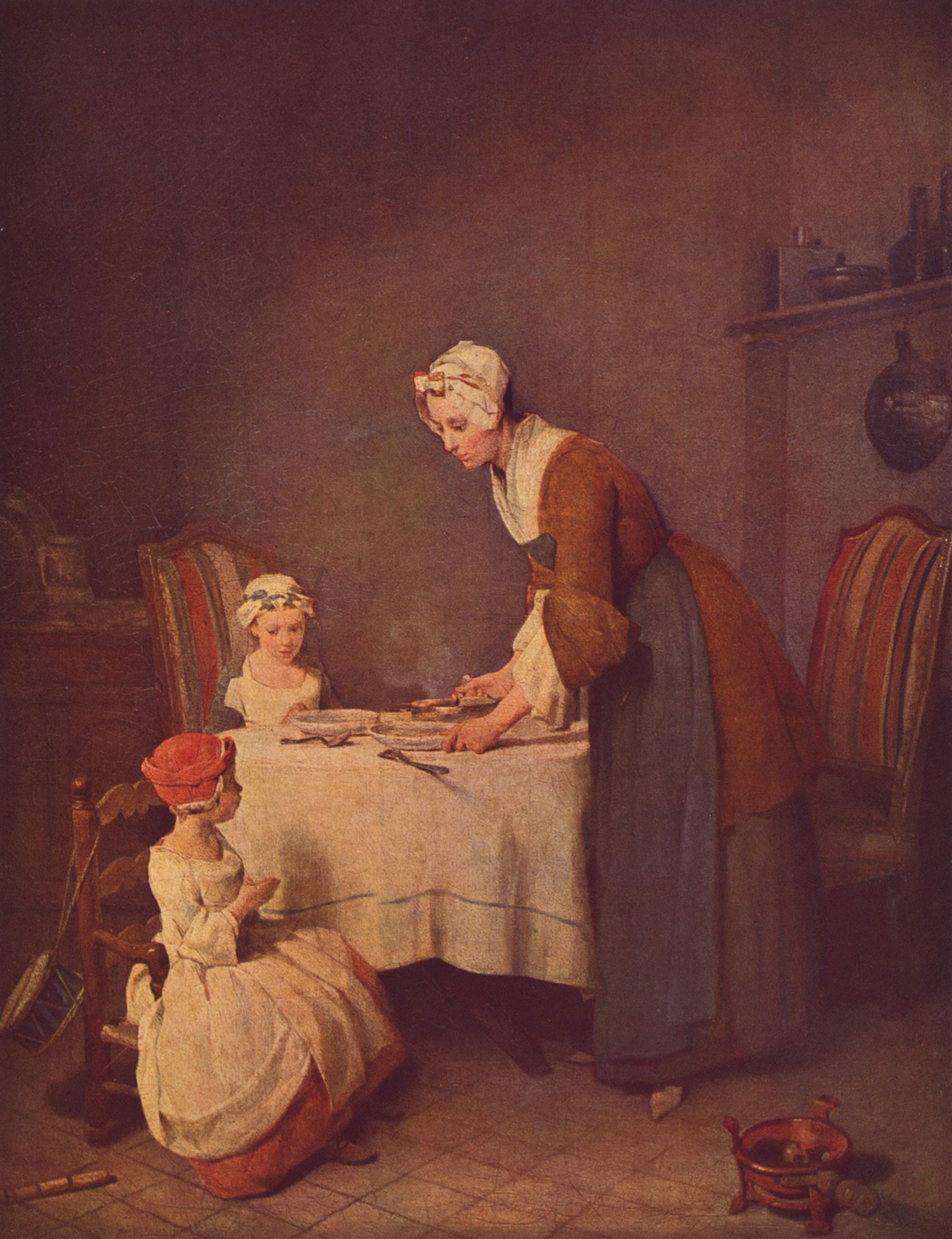
Big gatherings in the temple, small ones in homes, and the word Luke chooses for the mood is gladness.
What does Pentecost have to do with a harvest?
Everything. The Feast of Weeks was the celebration of “the firstfruits of the wheat harvest” (Exodus 34:22), a harvest offering given in thanksgiving. Luke ends the chapter in the same key. The three thousand are not the whole crop. They are the first of it:
And the Lord added to their number daily those who were being saved.
Acts 2:47 · BSB, excerpt
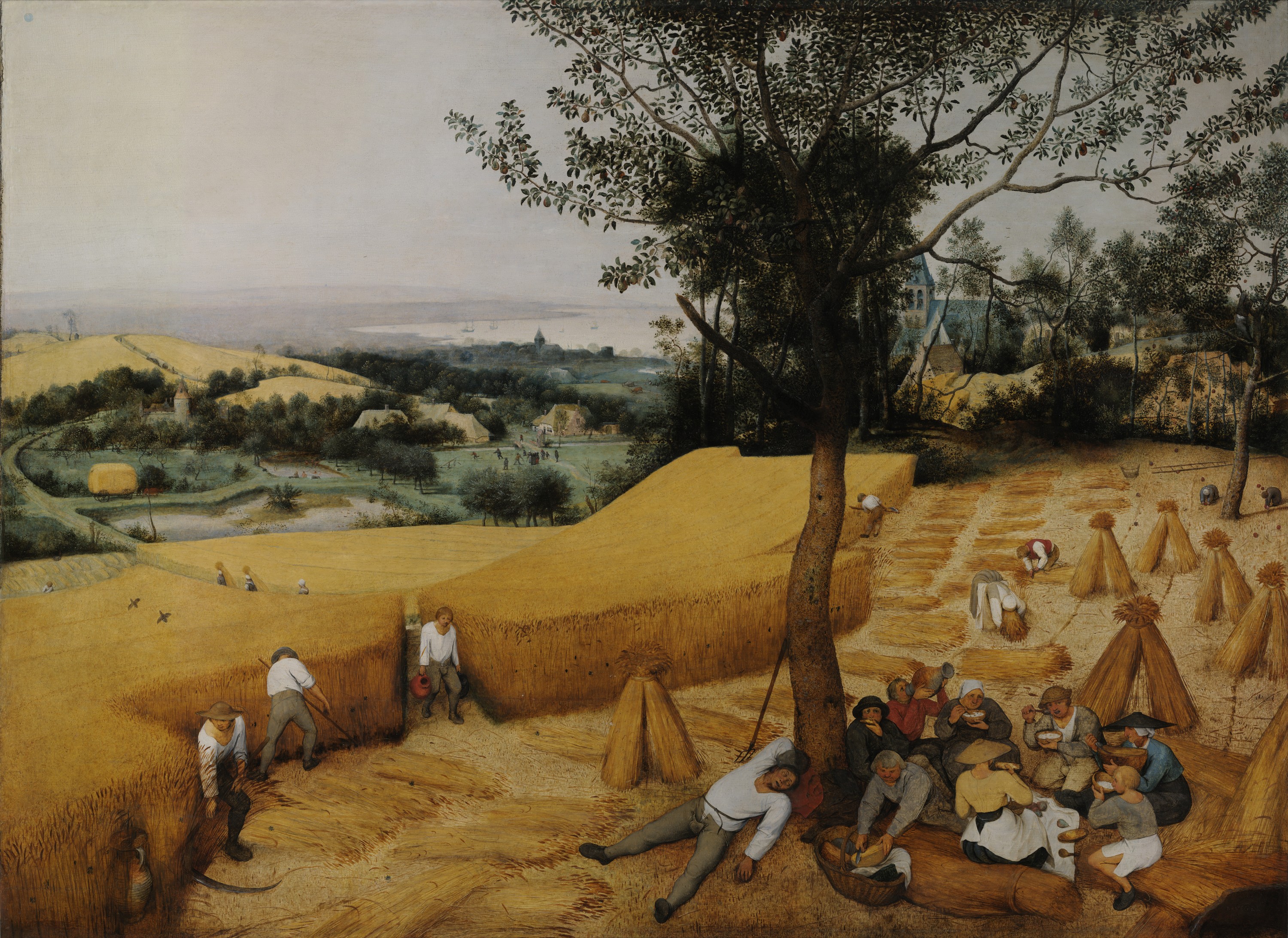
The chapter closes the way it began, with God doing the part nobody else could.
The Verses to Remember from Acts 2
If you keep only ten lines from this chapter, keep these.
- The sound: “Suddenly a sound like a mighty rushing wind came from heaven and filled the whole house where they were sitting.” (2:2)
- The fire: “They saw tongues like flames of fire that separated and came to rest on each of them.” (2:3)
- Your own language: “we hear them declaring the wonders of God in our own tongues!” (2:11)
- The first question: “What does this mean?” (2:12)
- The promise for everyone: “I will pour out My Spirit on all people.” (2:17)
- The open door: “And everyone who calls on the name of the Lord will be saved.” (2:21)
- Easter in one sentence: “it was impossible for death to keep Him in its grip.” (2:24)
- David’s song: “You will fill me with joy in Your presence.” (2:28)
- For all who are far off: “This promise belongs to you and your children and to all who are far off” (2:39)
- The four habits: “They devoted themselves to the apostles’ teaching and to the fellowship, to the breaking of bread and to prayer.” (2:42)
What Acts 2 Is Really Doing
Put simply: God moves in. For most of the Bible, God’s presence has an address, whether a mountain, a tent, or a temple, and most people keep a respectful distance. In Acts 2 the fire comes indoors and rests on each person in the room, and then the promise is thrown open to sons and daughters, old and young, servants, foreigners, and “all who are far off.” The proof Peter offers is not the miracle of the languages. It is Jesus, crucified in that city, raised by God, and now pouring out the Spirit he promised. And the result is not a spectacle. It is a community that learns together, eats together, prays together, and looks after anyone in need.
Acts 2 at a Glance
- Where we are: Jerusalem, fifty days after the first Easter. Jesus has returned to heaven and told his followers to wait in the city (Acts 1).
- What happens: the Holy Spirit arrives with wind and fire; people from every nation hear the disciples in their own languages; Peter explains; about three thousand are baptized; the first church takes shape.
- The shape of the chapter: the sound and the fire (verses 1–4) · the crowd and the languages (5–13) · Peter’s sermon (14–36) · “Brothers, what shall we do?” (37–41) · the first church (42–47).
- The two questions: “What does this mean?” (2:12) and “Brothers, what shall we do?” (2:37). Peter’s sermon answers the first; the rest of the chapter answers the second.
- Why it matters: it is the birthday of the church, and it is Peter’s comeback, about seven weeks after he denied knowing Jesus.
Read Acts 2 with a Painting: A 4-Step Visio Divina Practice
Visio Divina, Latin for “divine seeing,” simply means praying with a picture instead of only a passage.
- Look (Visio): Choose one painting above and stay with whatever your eye goes to first. Give it a full minute before you decide what it means.
- Meditate (Meditatio): Read the verse beside it, slowly, twice. Which word stays with you?
- Pray (Oratio): Turn that word into one honest sentence to God. If you feel “far off,” say so; that verse was written for you.
- Contemplate (Contemplatio): Rest in silence for one minute, and let the verse and the picture keep each other company.
Questions People Ask About Acts 2
- What does “Pentecost” mean?
- “Pentecost” is Greek for “fiftieth.” It was the Greek name for the Jewish Feast of Weeks, held fifty days after Passover (Leviticus 23:15–16). Christians kept the name for the day the Spirit came, which is why Pentecost still falls fifty days after Easter.
- What language did they speak at Pentecost?
- Acts says the disciples “began to speak in other tongues” and that each person in the crowd “heard them speaking his own language” (Acts 2:4, 6). The miracle Luke describes is understanding: people from fifteen named places hear about God in their native speech. Christians differ on how this relates to the “tongues” Paul discusses in 1 Corinthians 12–14; Acts 2 itself does not settle that question.
- Was Mary at Pentecost?
- Acts 2 does not name her. Acts 1:14 says that in the days before, the apostles were praying “along with the women and Mary the mother of Jesus, and with His brothers,” and Acts 2:1 says “they were all together.” That is why nearly every Pentecost painting places Mary at the center, but it is an inference from the chapter before.
- Why does Peter quote Joel and David?
- Because his audience trusted them. Joel (Joel 2:28–32) had promised a day when God would pour out his Spirit on all people, so Peter says: this is that day. David (Psalms 16 and 110) had sung of someone God would not abandon to the grave and would seat at his right hand; since David himself died and was buried, Peter argues, the songs point to Jesus.
- How many people were baptized at Pentecost?
- About three thousand (Acts 2:41). Many readers notice the contrast with Exodus 32:28, where about three thousand died at Mount Sinai after the golden calf.
- Why is Pentecost called the birthday of the church?
- Because it is the day the first Christian community comes into being: the Spirit is given, the first sermon is preached, the first converts are baptized, and Acts 2:42–47 describes them living a shared life for the first time. The phrase is a traditional nickname, not a verse.
Keep Going
The next great speech in Acts, and what it cost: Saint Stephen’s life in art
How the man who denied Jesus became the man who preached this sermon: Saint Peter’s life in art
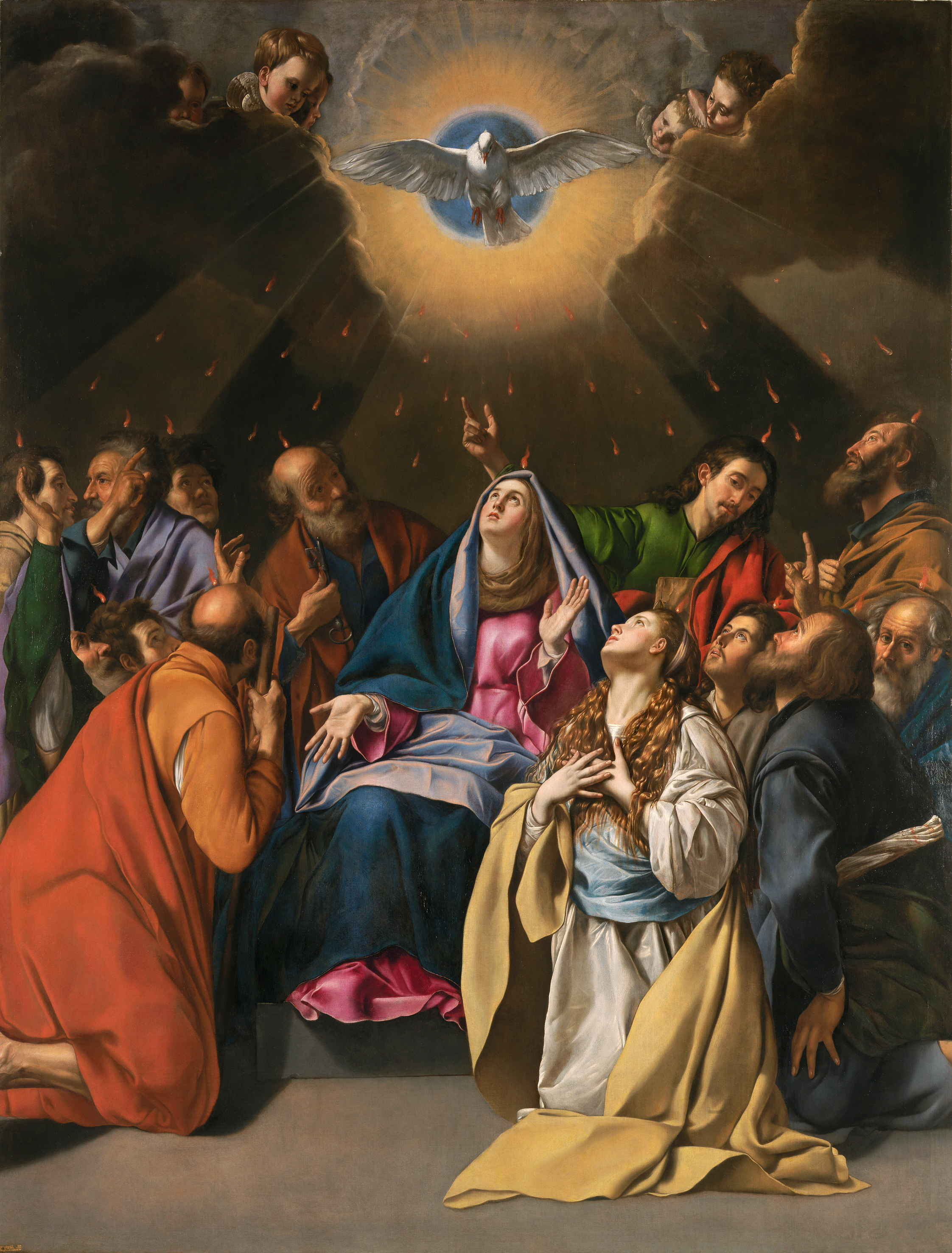
If you want to sit with one of these images a little longer, you can restore it yourself. Open Maíno’s Pentecost as a puzzle, piece by piece, with the verse and a reflection waiting at the end. Or get the Visio Divina app for a new painting, a new verse, and a new reflection every morning.
Continue in the open gallery